

An Industrial-Scale Narrative Wrapped in Cow Dung
July 8, 2026
Long story short, as we noted in the last Market Update, several members of our team and I spent the better part of a year dissecting the AI story, separating genuine technological progress from the marketing narrative that has engulfed it. The conclusion we reached was surprisingly simple. Beneath the headlines, trillion-dollar ambitions and eye-watering valuations sits an industrial-scale marketing machine wrapped around an extraordinary amount of Horse S**T. And yes, that’s still the polite version.
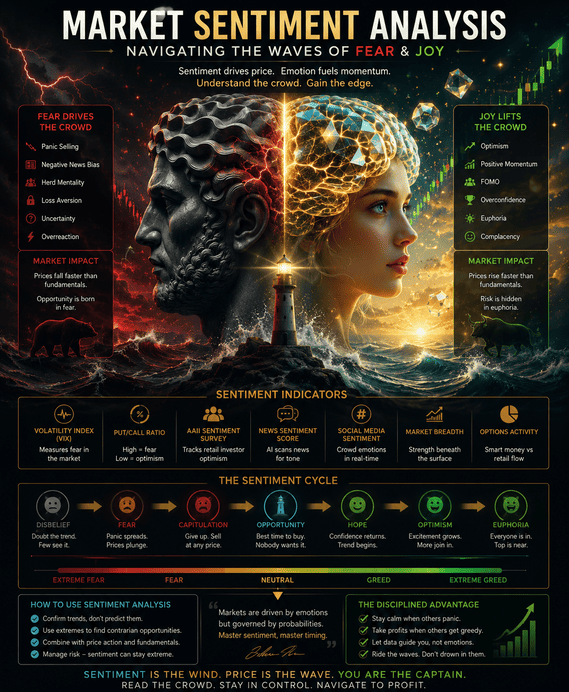
This is not to say AI is a fraud. It isn’t. The technology is real, the advances are significant and many companies are building genuinely useful products. The problem is that financial markets rarely reward reality. They reward stories, especially when those stories promise a technological revolution that appears capable of changing everything. Once enough capital begins chasing that narrative, valuations become detached from economics and marketing starts to matter more than execution.
Large Language Models Are Not Artificial Intelligence
The public faces of the industry, whether it is Sam Altman, Dario Amodei, Elon Musk, Mark Zuckerberg or the growing list of AI evangelists, have successfully convinced both investors and the public that Large Language Models are synonymous with artificial intelligence. They are not.
LLMs represent one branch of AI, more accurately described as highly sophisticated neural networks that rely on statistical inference, probability and pattern recognition to generate responses that often appear remarkably intelligent. They are extraordinary tools, capable of accelerating research, writing, coding and countless other tasks, but they are not digital minds, despite what the marketing departments, venture capitalists and social media influencers would have you believe.
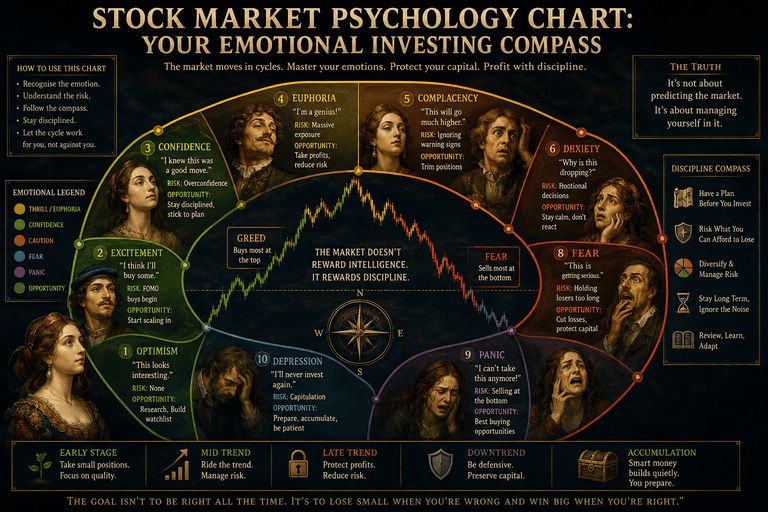
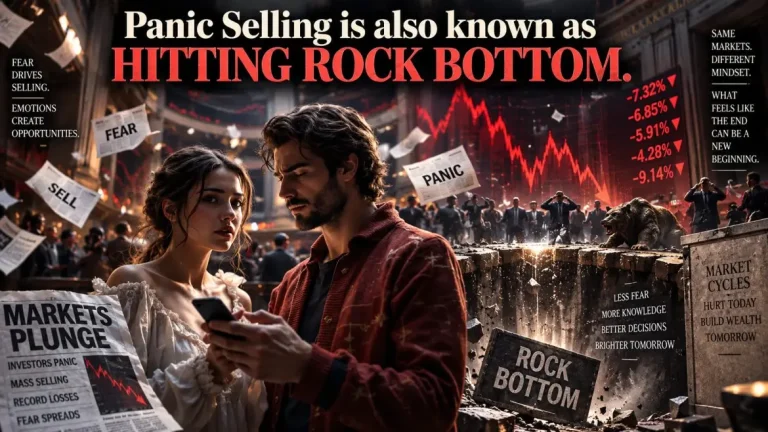
That distinction matters because once investors stop asking what the technology actually does and instead start buying whatever carries the AI label, the market enters familiar territory. Every cycle has its magic words. Railways. Radio. Dot-com. Blockchain. Metaverse. Today, AI has become the latest passport to higher valuations.
Wall Street’s Favourite Product Is the Story
The hype surrounding AI is not being driven by engineering alone. It is being financed, amplified and monetised through financial markets. Many acquisitions are paid for primarily with stock rather than cash. Companies whose own shares have been inflated by AI optimism suddenly possess an exceptionally valuable acquisition currency. Expensive stock becomes purchasing power. Deals that might never have made economic sense in cash suddenly appear attractive when funded with equity carrying lofty multiples.
This creates a powerful feedback loop. Higher share prices finance acquisitions. Acquisitions generate headlines. Headlines reinforce the AI narrative. Analysts raise price targets. Investors buy the story. Higher valuations then finance the next acquisition.
Layer on generous stock-based compensation, convertible securities, structured financing arrangements, venture funding rounds priced on future potential rather than present cash flow, and an ecosystem emerges where narrative often becomes as valuable as revenue itself. None of this is illegal. Much of it is perfectly rational corporate finance. It simply means investors need to distinguish between businesses creating value and businesses creating excitement. History suggests those are rarely the same thing.
AI Amplifies Intelligence. It Also Amplifies Ignorance.
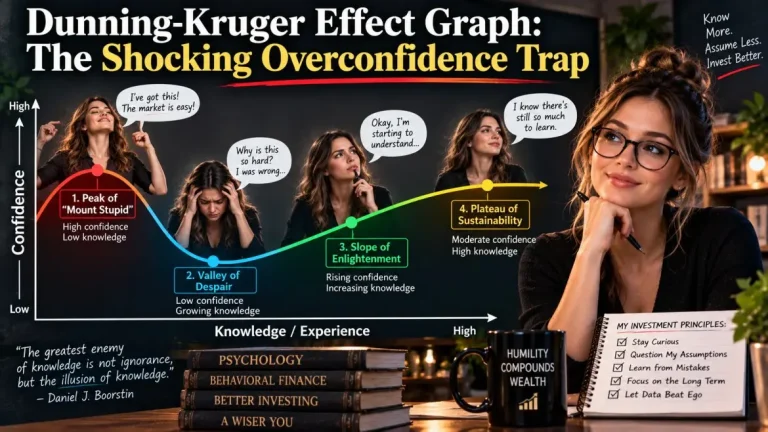
To put it bluntly, if you are not already competent in your field and you use AI blindly, it is about as useful as a barn mouse. It may produce answers that sound convincing, but without the experience to evaluate those answers, distinguish signal from noise and recognise when the model is confidently wrong, you are simply outsourcing your judgement to a statistical engine that has no understanding of the consequences of its own output.
On the other hand, if you genuinely understand your profession and use these models as tools rather than substitutes for thinking, they can dramatically increase your productivity, accelerate research, challenge assumptions and make you exceptionally effective.
AI does not replace expertise. It amplifies it. Like every amplifier, it strengthens whatever is already there, whether that happens to be knowledge or ignorance.
Experience May Be About to Make a Comeback
Ironically, this could become very good news for experienced professionals. If you are 45, 55, 65 or beyond, now is probably the time to sharpen your skills rather than retire them. Continue learning, look after your health and stay intellectually engaged, because experience may once again become king.
Many younger workers, particularly those under 40, have been conditioned to believe they are exceptional simply because they grew up with technology at their fingertips. Some genuinely are. Many are not. Those who become dependent on AI for every decision, every report and every piece of analysis may also become the easiest to replace because dependence is rarely a durable competitive advantage.
The people who will thrive are those capable of questioning the machine rather than obeying it. Organisations will eventually learn to distinguish between people who use AI to extend their judgement and those who have quietly replaced judgement altogether.
Artificial Intelligence or Advanced Imitation?
Which brings us to perhaps the biggest irony of all. AI is supposed to stand for Artificial Intelligence. Based on where the technology stands today, a more fitting description might be Advanced Imitation or perhaps Artificially Impressive. The engineering is genuinely remarkable. The productivity gains are real. The long-term potential remains enormous. The marketing, however, has been even more impressive than the technology itself.
Markets are behaving as though predictive statistical systems have somehow crossed the threshold into genuine understanding. They have not. What they have crossed is the threshold where enough capital, media attention and financial engineering reinforce one another to create the appearance of inevitability.
That does not mean AI will fail. Quite the opposite. It will almost certainly transform large parts of the global economy. But history teaches us that revolutionary technologies and speculative bubbles frequently arrive together. Railroads changed the world. So did electricity. So did the internet. Every one of them also produced spectacular periods of overvaluation before reality eventually caught up.
Confusing sophisticated pattern prediction with genuine understanding is precisely the kind of Horse ST markets repeatedly fall for whenever enthusiasm outruns reality. This time is unlikely to be any different.