
Zeitgeist Signals: Winning Where the Crowd Blinks
Dec 15, 2025
Introduction: The Market as a Creature of Mood
Success in markets is never only about fundamentals. You can calculate valuations until your screen burns, yet still miss the move because the crowd felt something before you understood it. Markets follow narratives that grip public imagination, not spreadsheets. The true engine behind massive gains is the Zeitgeist, the cultural and psychological current shaping collective belief. Those who sense this current early ride chaos with precision. Those who ignore it drown in trends they never understood.
Zeitgeist Investing is the discipline of reading emotional extremes with clarity. You study how crowds behave when fear turns into paralysis, when euphoria mutates into frenzy, and when disbelief shifts into slow, stubborn acceptance. You move at inflexion points where sentiment and structure collide. You enter when the herd misprices reality, and you exit before the herd realises it has lost the plot. This strategy requires emotional detachment, psychological insight, and a willingness to act while others hesitate. The investor who masters this discipline turns mass irrationality into a map.
Locating the Pulse: Why Mass Psychology Dictates Price
Markets do not move on logic alone. They move on narratives that spread through culture like sparks through dry grass. A mediocre company can rise if it captures the spirit of the moment. A brilliant company can stagnate if no one cares. This is not a bug in the system. It is the system.
Human beings follow stories more easily than spreadsheets. A trend becomes a movement. A movement becomes a mania. A narrative becomes a prophecy. When a theme gains cultural traction, investors follow each other instead of the balance sheet. The result is a feedback loop in which price validates belief, and belief accelerates price.
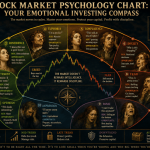
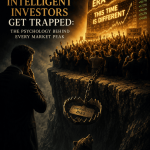
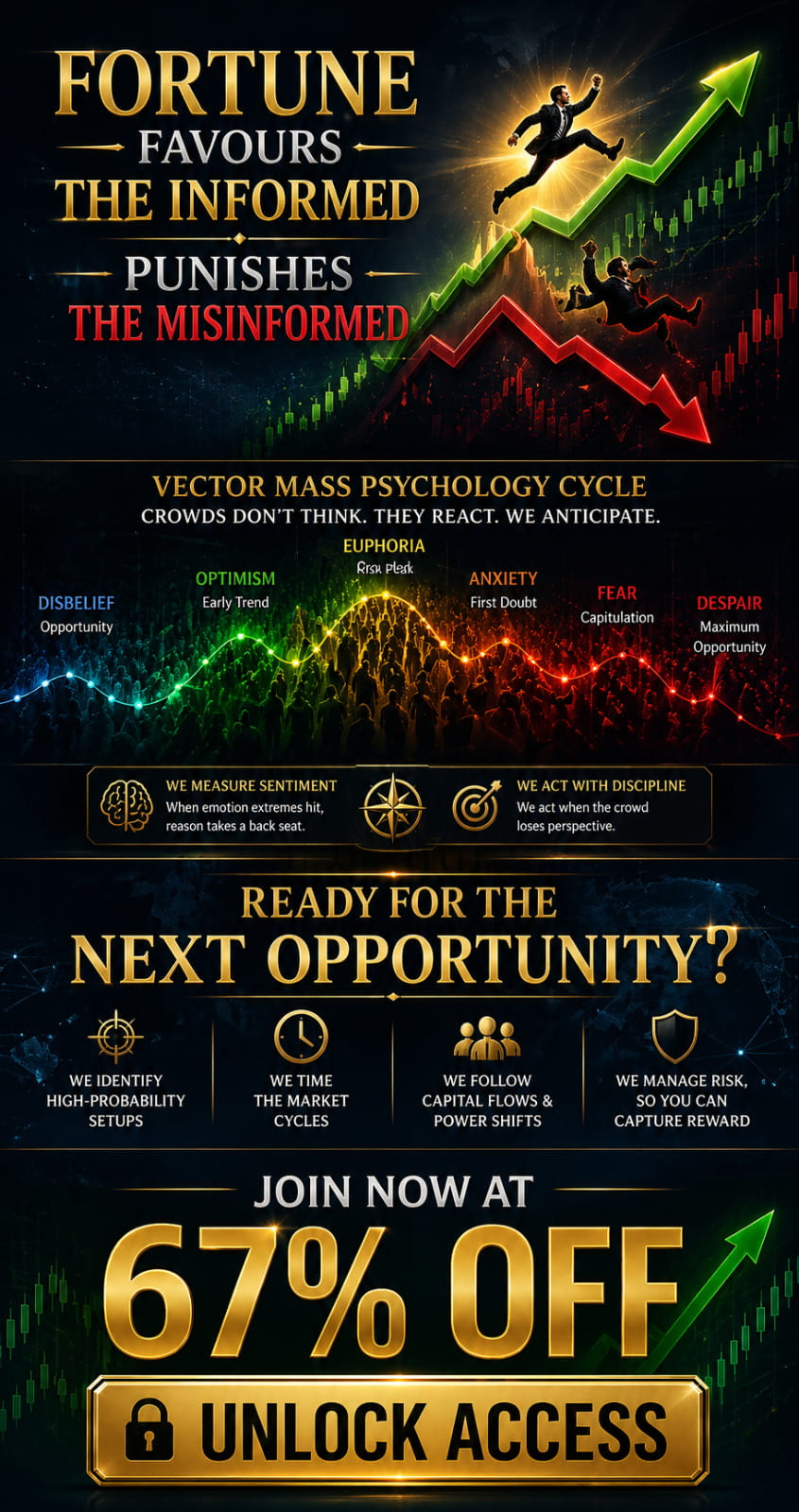
Zeitgeist Investing focuses on the point where collective emotion reaches saturation. You study where the hype peaks and where the panic bottoms. These emotional extremes create the most significant opportunities. The crowd will say it is different this time. It never is.
Sentiment Data: The Engine Behind Pattern Recognition
The edge no longer belongs to those who guess mood. It belongs to those who measure it. Social media, search data, discussion threads, and sentiment algorithms reveal the psychological temperature of the market with startling precision. You can track the velocity of a narrative, the polarity of its tone, and the scale of its spread.
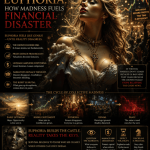
A spike in positive chatter often precedes a price surge. Yet when optimism saturates every corner of the digital landscape, the move is near exhaustion. There are no new buyers left to ignite continuation. The Zeitgeist Investor rides the early swell and prepares an exit when euphoria becomes universal.
Extreme negativity works the same way. When sentiment data shows despair and the price starts resisting further decline, you are near a pivot. The crowd believes the world is ending. That belief becomes a setup. When fear pushes prices far below fair value, the disciplined contrarian extracts the reward. The objective is not to oppose the crowd reflexively. It is to exploit the crowd at its emotional limits.
Technical Analysis: The Backbone of Discipline
Sentiment is the pulse. TA is the structure that confirms the diagnosis. Price action translates emotional force into patterns you can measure. It transforms mass psychology into something visible, repeatable, and testable.
You wait for alignment. A breakout without volume is noise. A surge in social chatter without price confirmation is a distraction. A divergence between momentum and euphoria signals a reversal forming under the surface. TA exposes the truth behind the narrative and prevents you from mistaking hype for strength.
When sentiment shifts and price rejects lower lows, you monitor RSI. When momentum fades at the peak of enthusiasm, you watch MACD. When the crowd celebrates a trend as permanent, you look for signs of exhaustion. TA gives you a battlefield map. Sentiment tells you where the fire is coming from. Together, they reveal exactly where to strike.
Macro Zeitgeist: Cultural and Political Currents
Beyond daily swings, the Zeitgeist evolves through cultural shifts. Electric vehicles, plant-based foods, artificial intelligence, decentralised finance, and renewable energy began as ideas that divided opinion. Cultural momentum then converted these ideas into waves strong enough to move indices.
A trend becomes unstoppable when society accepts its logic. The smart money positions early, before headlines declare inevitability. Once mainstream acceptance arrives, the exponential phase is already underway.
Geopolitics adds another layer. Regulatory changes, election cycles, fiscal regimes, and conflict flashpoints can reverse narratives overnight. The Zeitgeist Investor tracks these forces without becoming enslaved by them. When policy aligns with cultural direction, you get movements powerful enough to generate entire multiyear bull cycles.
The Perils of Herd Mentality
History punishes those who mistake mania for momentum. The dot-com bubble elevated companies without earnings into the stratosphere, then vaporised them when the narrative cracked. The meme-stock explosion rewarded early adopters and destroyed those who arrived after the story became a mass ritual. The crowd does not care who it kills. It only cares about feeding the emotion that sustains it.
Zeitgeist Investing demands precision. You enter while the crowd sleeps and exit while the crowd dreams. Never confuse optimism with strength or panic with truth. The herd will praise you while the price rises and condemn you the moment you lock in gains. Ignore them. Their memory is short and their discipline is nonexistent.
Contrarian Vision: Betting Against Extremes
Contrarian decisions are most profitable when sentiment reaches absurd levels. In a bear market, relentless negativity drives valuations far below reality. When selling pressure weakens and sentiment remains toxic, a bottom forms. That is where conviction pays.
In bull markets, euphoria becomes dangerous once sentiment reaches 90% positivity. When MACD diverges while social momentum remains hysterical, you approach the top. Short sellers who wait for confirmation at sentiment extremes harvest the correction with precision. Contrarianism is not stubborn rebellion. It is the art of recognising when the crowd has wandered too far from the truth.
Emotional Fortitude: Becoming Immune to the Crowd
To exploit mass psychology, you must stop participating in it. The market attacks those who internalise its madness. Emotional awareness is essential. You track the impulses triggered by volatility. You anticipate your reactions before price forces them out of you.
You create structured rules for entries and exits. You decide risk limits in calm conditions, not in the chaos of live trades. You train yourself to pivot when evidence changes, even when your ego protests. The Zeitgeist Investor remains agile. Narratives collapse quickly. The world can shift in a week. You adapt without hesitation.
Fundamentals: Reality Beneath the Narrative
Sentiment creates opportunities, but fundamentals maintain them. The strongest moves occur when cultural hype aligns with genuine innovation. Artificial intelligence, advanced battery technology, genomic medicine, and next-generation infrastructure possess intrinsic value. When the crowd amplifies these stories, you get explosive upside.
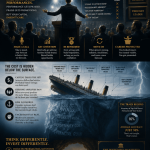
Weak companies with strong narratives collapse at the first sign of doubt. High debt loads, negative cash flow, and unclear roadmaps turn hype into a trap. Time is not on their side. Once sentiment breaks, these companies never return to their peaks. The real wealth lies where innovation and enthusiasm merge.
News, Social Media, and Real-Time Feedback Loops
The digital ecosystem magnifies sentiment. A viral headline can send a stock vertical in seconds. A scandal can wipe out billions of dollars in value before the market opens. The Zeitgeist Investor watches the interplay between narratives and price. You study the velocity of attention, not only the content of the story.
If price confirms the narrative with sustained volume, you have momentum worth riding. If the narrative fades within hours, the move lacks conviction. You separate signal from spectacle by focusing on persistence rather than intensity. Context matters. Understanding larger cultural currents allows you to interpret each news event not as an isolated shock but as part of a broader story arc.

Case Studies: Riding and Breaking the Zeitgeist
Cannabis Boom
Legalisation triggered a frenzy. Hype surged ahead of fundamentals. Price action eventually diverged from sentiment. RSI flashed exhaustion. Valuations became absurd. Savvy investors exited before the collapse, while the crowd held on until the market buried the entire sector.
Teleconferencing Surge
Lockdowns turned video meetings into a cultural ritual. Valuations soared beyond logic. Growth projections became fantasy. The Zeitgeist Investor recognised the mania, took profits, and stepped aside. Once the world reopened, the reversal punished those who believed the narrative was permanent. The lesson is simple. Sentiment is a wave. Every wave reaches its shore.
Escaping the Echo Chamber
Confirmation bias is the silent predator. If your feed shows 90% bullish content, you are trapped in an echo chamber. You must seek the dissenting ten per cent. True insight requires friction. Discomfort is a necessary companion to clarity.
Influencers shape narratives for their own benefit. Forums amplify hysteria. Professionals who understand this dynamic survive by analysing tone, context, omission, and motive. You are not only studying data. You are exploring the psychology behind the data.
The Psychological Toll: Boldness and Restraint
Acting against the crowd invites ridicule. Selling near the top earns criticism even when it preserves capital. Buying at the bottom invites accusations of recklessness. The emotional strain is real. Only disciplined research sustains conviction.
Yet boldness without humility is suicide. Sometimes the crowd is right for longer than you expect. Restraint is essential. The wave can extend further than logic suggests. The trick is to respect momentum without surrendering judgment.
Risk Management: Your Shield Against Chaos
Even the best sentiment reads cannot protect you from unexpected shocks. Geopolitical conflict, regulatory surprise, or systemic failure can break any narrative. The Zeitgeist Investor survives by using risk controls. You diversify across uncorrelated assets. You set stop losses and trailing stops. You rebalance before exposure concentrates. Risk management is not fear. It is endurance.
Operationalising Zeitgeist Investing
1. Build a Sentiment Framework
Track velocity, polarity, and scale across multiple platforms. Measure how quickly a narrative spreads and how passionately it is believed.
2. Overlay Technical and Fundamental Filters
Confirm sentiment with structure. Look for divergences and alignments. Reject moves that lack both substance and support.
3. Set Clear Entry and Exit Rules
Anchoring decisions to rules prevents emotional collapse. Complex criteria beat impulsive trades.
4. Maintain Emotional Toughness
Audit your reactions. Critique your decisions. Confront your bias. The crowd cannot manipulate you if you see your own impulses clearly.
5. Review, Refine, Repeat
Zeitgeist shifts constantly. Your framework must evolve along with it.
The Fiery Advantage: Turning Sentiment into Strategy
Mastering sentiment is not luck. It is a cultivated instinct sharpened by structure. When you combine psychological awareness with technical clarity, you step into a realm where most investors never operate. You are no longer a spectator. You become a strategist who moves before the crowd knows it must.
You do not wait for certainty. You read pressure building underneath the narrative. You enter early. You exit before the climax. You leave the crowd to fight over the ashes.
Embracing the Next Wave
Cultural shifts ignite quickly. Narratives mutate. Technology advances. Policy changes. The Zeitgeist Investor listens for the whispers that precede the roar. You watch anomalies. You track sentiment fractures. You prepare for the next storm while the crowd is still exhausted from the last one.
This discipline blends emotional empathy, rational analysis, and stoic restraint. You understand people. You understand structure. You know your own psychology.
This is the triad that turns noise into opportunity.
A Final Call to Boldness
Zeitgeist Investing demands courage. It asks you to see what others miss, act when others freeze, and detach when others cling. With the proper framework, discipline, and psychological awareness, you stand above the chaos. The market becomes a landscape of currents instead of a storm of confusion.
- The crowd will always move.
The question is whether you move first.