Hull Moving Average: A Deep Dive into Core Economic Factors
Updated Jan 15, 2026
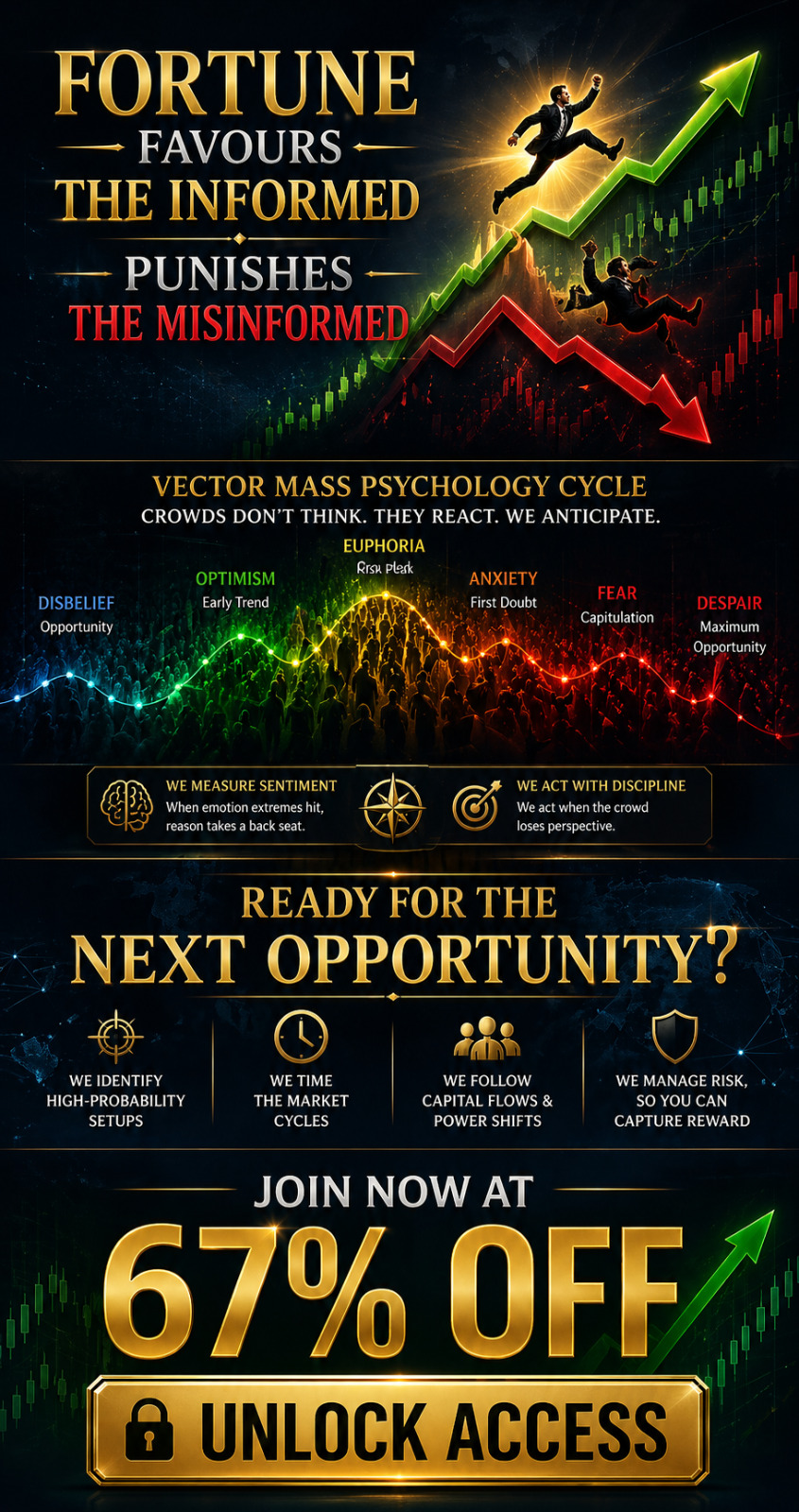
In the brutal arena of financial markets, fear is the invisible puppeteer pulling most investors’ strings. When panic grips the crowd, logic evaporates, and the herd stampedes headlong into catastrophic decisions. The aftermath is predictable: markets crater, fortunes vanish, and opportunities slip through trembling fingers. Yet, in the midst of this chaos, a small elite remains unmoved—investors who not only survive the hysteria but profit handsomely from the very fear that paralyzes everyone else. Tools like the hull moving average can serve as a compass through these storms, but the first step is recognizing the destructive force of fear-driven mob behavior.
Herd mentality is ancient, hardwired into our species. It was once a survival mechanism, protecting our ancestors from predators. Today, it sabotages us in markets. Fear spreads with viral intensity, amplified by cognitive traps like confirmation bias and loss aversion, pushing rational people to act against their own interests. The modern investor must not only understand this psychological undercurrent but learn to exploit it. The hull moving average—a faster, smoother trend-tracking tool—can serve as a critical anchor when volatility threatens to capsize your strategy.
Exposing Market Panic: The Psychology of Fear and Its Financial Fallout
During moments of panic, financial markets transform into mirrors of raw human emotion. Fear ripples through the system, creating vicious feedback loops that amplify selloffs and trigger crashes. The 2008 financial crisis, the implosion of the dot-com bubble, and the COVID-19 crash of 2020 all stand as brutal reminders of how quickly fear can devastate global wealth.
Consider 2008. When Lehman Brothers collapsed, it wasn’t just a bank failure—it was a psychological detonation. Investors, paralyzed by uncertainty, began liquidating assets at fire-sale prices. The cascade accelerated, creating a self-fulfilling prophecy of economic doom. Looking back, the warning signs were everywhere: overleveraged institutions, unsustainable debt pyramids, and housing prices detached from reality. But in the heat of the moment, fear eclipsed logic, and the herd moved as one, amplifying the disaster.
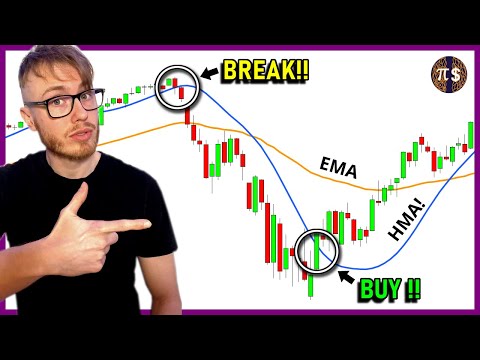
This is where understanding the hull moving average becomes invaluable. Unlike traditional moving averages that lag painfully during rapid market movements, the hull moving average is engineered to cut through the noise. It reduces lag while maintaining smooth signal quality, allowing investors to spot trend reversals faster and with greater precision. This responsiveness can mean the difference between riding out a panic selloff and being crushed by it.
But technical tools alone won’t save you. The real edge comes from emotional discipline—the ability to recognize fear in yourself and in the market, then act rationally when everyone else is frozen or fleeing.
Contrarian Mastery: Thriving Amidst Chaos
Warren Buffett’s famous maxim cuts to the heart of successful investing: “Be fearful when others are greedy, and greedy when others are fearful.” This is contrarian investing distilled to its essence—moving against the herd when emotions reach extremes. But true contrarian mastery isn’t just about being bold; it demands precision, discipline, and a deep understanding of market psychology.
Jesse Livermore remains one of history’s most legendary examples. During the panic of 1907, while markets were in freefall and investors were paralyzed with fear, Livermore recognized the opportunity to short stocks. He made a fortune while others drowned in panic. His success wasn’t purely technical—it was psychological. He remained calm and objective when everyone else was losing their minds.
Today’s contrarian investors can sharpen their edge by combining the hull moving average with complementary indicators like RSI or volume analysis. When the hull moving average signals a trend reversal during extreme volatility, it often indicates that the herd’s panic has peaked—creating a prime entry point for those with the nerve to act.
The critical skill is acting decisively when others freeze. Fear-driven selloffs frequently push prices far below intrinsic value, creating oversold conditions. Contrarians who step in during these moments aren’t just profiting—they’re restoring equilibrium to the market, serving as a counterweight to the destructive momentum of the herd.
Fear-Exploiting Strategies: Turning Volatility into Opportunity
Fear-driven markets aren’t just chaotic—they’re extraordinarily profitable for those who know how to exploit them. One highly effective strategy is selling put options during periods of elevated volatility. When fear spikes, option premiums inflate dramatically as investors scramble to hedge their positions. By selling puts, disciplined traders can collect these inflated premiums, essentially getting paid to assume risk when fear has reached its apex.
Consider the VIX, often called the “fear index.” During market crashes, the VIX tends to spike violently, signaling extreme investor anxiety. By selling puts on high-quality stocks or indices during these spikes, investors can capitalize on fear-driven distortions in option pricing. The hull moving average serves as an excellent complementary tool here, helping traders identify when the underlying trend is stabilizing and providing confidence in execution.
Another powerful approach involves reinvesting these collected premiums into LEAPS (Long-Term Equity Anticipation Securities). LEAPS provide leveraged exposure to the long-term upside of stocks or indices with defined, limited downside risk. By funneling premiums from put sales into LEAPS purchases, investors can transform short-term fear into long-term compounding opportunity.
The linchpin of these strategies is discipline. Without meticulous planning and rigorous analysis, fear-exploitation tactics can backfire spectacularly. But for those who approach them with precision and patience, the rewards can be extraordinary.
Disciplined Boldness: Planning for Success
Boldness without discipline is just gambling with extra steps. In markets where stakes are high and margins for error are razor-thin, success demands a delicate balance of courage and caution. This is where the hull moving average truly shines—not as a magic solution, but as a framework for disciplined decision-making.
The hull moving average’s ability to reduce lag and deliver faster signals makes it ideal for traders who need to act quickly without sacrificing accuracy. But even the best technical tools are worthless without a solid plan. Investors must define clear entry and exit points, set rigorous stop-loss levels, and stick to their strategy regardless of how intense the emotional pressure becomes.
Emotional discipline is the bedrock of successful investing. It’s easy to appear bold when markets are calm. True discipline is forged—and tested—during periods of extreme volatility. Investors who can remain objective, execute their plan, and trust their tools like the hull moving average are the ones who emerge victorious when the dust settles.
Visionary Empowerment: Escaping the Herd
Ultimately, the greatest value of tools like the hull moving average isn’t just improved trading performance—it’s the liberation they provide. When you understand market dynamics and possess the analytical tools to navigate them, you no longer need to follow the crowd. You become the architect of your own financial destiny, capable of making bold, independent decisions aligned with your vision and objectives.
This empowerment extends far beyond markets. It transforms how you think, act, and approach challenges across all aspects of life. Escaping herd mentality isn’t merely a financial achievement—it’s a philosophical awakening, a recognition that success comes not from following others but from understanding yourself and the forces shaping the world around you.
As we close this exploration of the hull moving average, remember that markets are not just about numbers and charts—they are about people, emotions, and the complex interplay of countless psychological forces. To succeed, you must embrace this complexity, see beyond the surface noise, and act with both boldness and discipline. The tools exist. The opportunities are there. The only remaining question is: are you ready to seize them?