
May 18, 2026
Every market has a mood ring, and ours is called the VIX — the so-called “fear gauge.” It measures how much volatility traders expect in the S&P 500 over the next 30 days, derived from the prices people are paying for options. When the number is low, the crowd is calm. When the number is high, the crowd is paying up for protection — which usually means it’s scared. That’s the whole concept. It’s not a crystal ball. It’s a thermometer. And like any thermometer, it tells you the temperature, not the cure.
This morning, May 18, 2026, with markets digesting another round of geopolitical noise, fresh AI-related volatility, and a jumpy bond market that refuses to settle, the VIX is back in the conversation. Which makes it a perfect time to talk about how to actually build a fear gauge trading strategy that doesn’t rely on luck, doesn’t require a Bloomberg terminal, and most importantly, doesn’t end with you panic-selling at the worst possible moment.
What the VIX Is Really Telling You
The VIX doesn’t predict crashes. It reflects the price of fear — the cost of insurance, basically. When that cost is high, people are already scared. When it’s low, people aren’t bothering to hedge. By the time CNBC is using the word “spike,” the panic is mostly already paid for in option premiums. Which is why chasing a high VIX higher is one of the more reliable ways to lose money in modern markets.
Think of it like umbrella prices on a rainy day. Of course umbrellas cost more when it’s pouring. That’s not forecasting weather — that’s reacting to it. The trick isn’t buying umbrellas during the storm. It’s buying them on a clear afternoon when nobody thinks they’ll need one. The VIX, used properly, is the same idea applied to portfolios.
The Three Zones Worth Knowing
You don’t need a PhD to use the VIX. You just need a feel for its rough neighborhoods.
| VIX Range | Market Mood | Contrarian Read |
|---|---|---|
| Below 13 | Complacency. Everyone calm. Maybe too calm. | Cheap protection. Buy hedges, don’t chase rallies. |
| 13 – 20 | Normal range. Markets functioning, traders breathing. | Trade the trend. Signal mostly noise here. |
| 20 – 30 | Nervous. Headlines louder. Twitter weirder. | Build the shopping list. Quality begins discounting. |
| 30 – 40 | Real fear. Forced selling. Special guests on TV. | Buy in tranches. The crowd is paying you to be calm. |
| Above 40 | Panic. Capitulation. Everyone an economist. | Historically, the best buying windows live here. |
These aren’t laws. They’re tendencies. But the pattern has been remarkably consistent across cycles — 2008, 2011, 2015, 2018, 2020, 2022. The deeper the panic, the better the eventual setup, provided you don’t get blown up trying to be a hero on day one.
The Psychology That Breaks Most VIX Traders
Here’s where most fear-gauge strategies fall apart — not in the math, in the human. When the VIX is low and you should be buying cheap protection, you don’t, because nothing feels wrong. When the VIX is screaming and you should be calmly buying quality, you can’t, because everything feels wrong. The strategy is simple. The execution requires you to act against your instincts at exactly the moments your instincts feel strongest.
This is auditory pareidolia in action. When the VIX spikes, every headline sounds like the start of the next 2008. Your brain isn’t analyzing — it’s pattern-matching to the worst memory it has. Meanwhile, when the VIX is asleep, every headline sounds like “this expansion can run forever.” Same brain, different soundtrack, equally wrong.
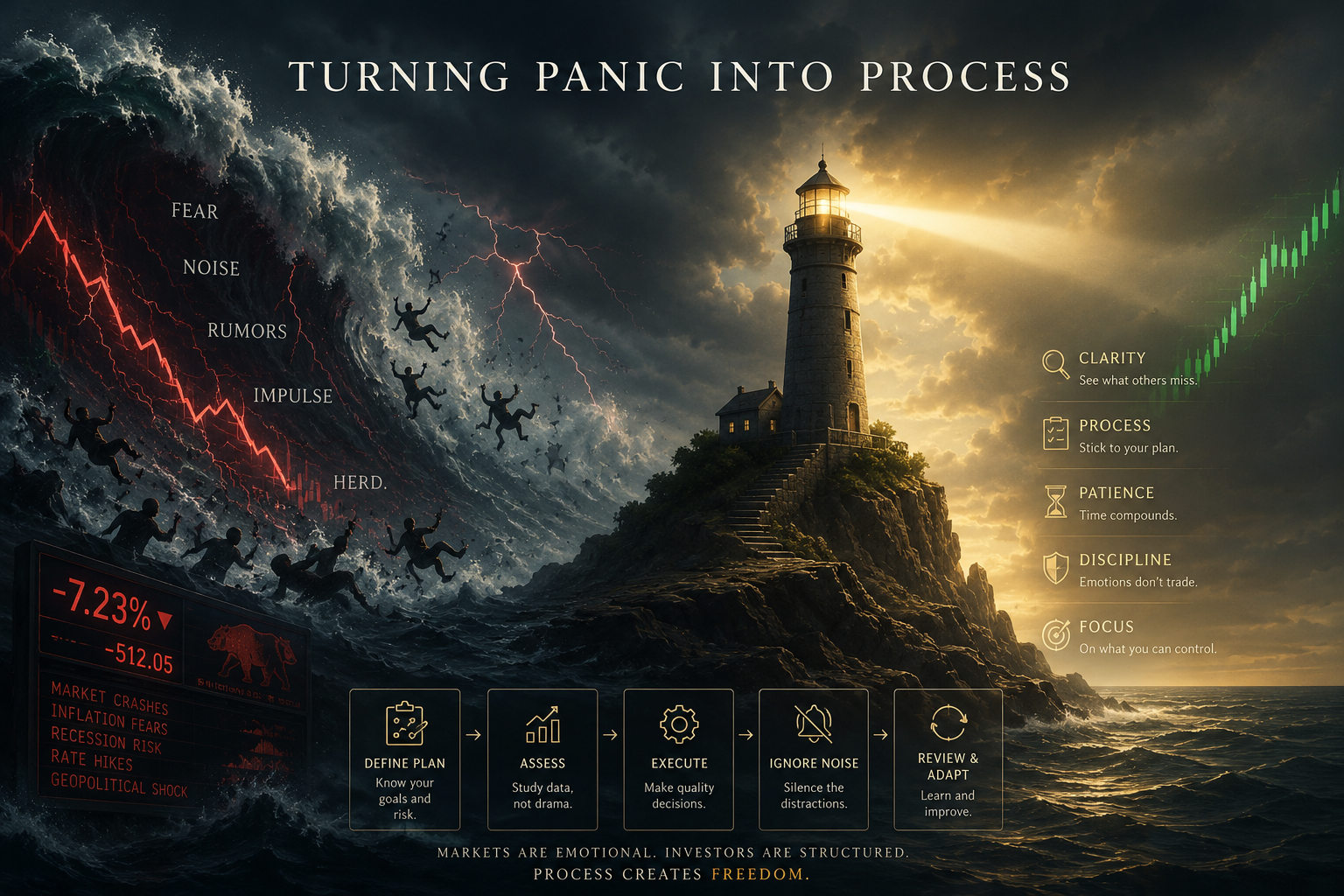
The fix isn’t to feel less. It’s to decide before the feelings show up. Pre-committed rules beat real-time reasoning every single time fear is involved. Write the plan when you’re calm. Execute the plan when you’re not. That’s the entire game.
A Simple Fear Gauge Trading Strategy
You don’t need anything fancy. Here’s a framework that’s worked across multiple cycles for investors who can stomach it:
- Build your shopping list when the VIX is below 15. Calm markets are when you do your homework. Decide which companies you want to own and at what prices. Write it down. Forget about it.
- Start nibbling when the VIX crosses 25. Not betting the farm — just opening positions. Small enough that you don’t panic if it goes higher. Big enough to matter if it doesn’t.
- Get serious when the VIX punches above 35. This is where the crowd is paying you to be a buyer. Deploy in tranches. Don’t try to nail the bottom. Average in over days or weeks.
- Trim when the VIX collapses back below 15. Not selling everything — just rebalancing. Volatility mean-reverts. So do the prices that volatility creates.
- Never, ever go long the VIX itself for more than a few days. Volatility products decay. The math is ugly. They are tools for hedging, not for holding.
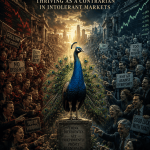
That’s the entire playbook. Five lines. The reason it works isn’t because it’s clever — it works because almost nobody actually does it. The crowd buys protection when it’s expensive and sells it when it’s cheap. The contrarian does the opposite. The VIX doesn’t reward intelligence. It rewards inversion.
Where the Fear Gauge Lies to You
Now, fairness demands a warning. The VIX isn’t perfect. It can stay elevated for weeks during slow grinding declines that never produce a true panic. It can also collapse during rallies that turn out to be bull traps. Used alone, it’s a coin flip dressed up as a signal.
Pair it with breadth indicators, credit spreads, and basic technical structure on the S&P 500 itself, and the picture sharpens. A VIX spike combined with collapsing breadth and widening credit spreads is a different animal than a VIX spike on a single bad headline. The fear gauge tells you the temperature. It doesn’t tell you the disease. Don’t confuse the two.
Why Retail Investors Misuse It
Most retail traders meet the VIX through volatility ETFs and options on volatility — which is a bit like meeting fire by sticking your hand in it. These products are designed for short-term hedging by professionals, not long-term speculation by enthusiasts. The decay alone will eat you alive over months. People hold these things expecting to “play the next crash” and end up watching their position bleed quietly even when the market does nothing.
If you want to use the VIX, use it as a signal for trading other things — equities, sectors, your cash allocation. The fear gauge is most powerful when it tells you what to do with assets that aren’t the VIX itself. That distinction is worth more than any indicator on the chart.
The Crowd’s Role in All of This
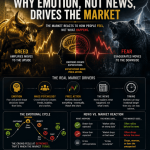
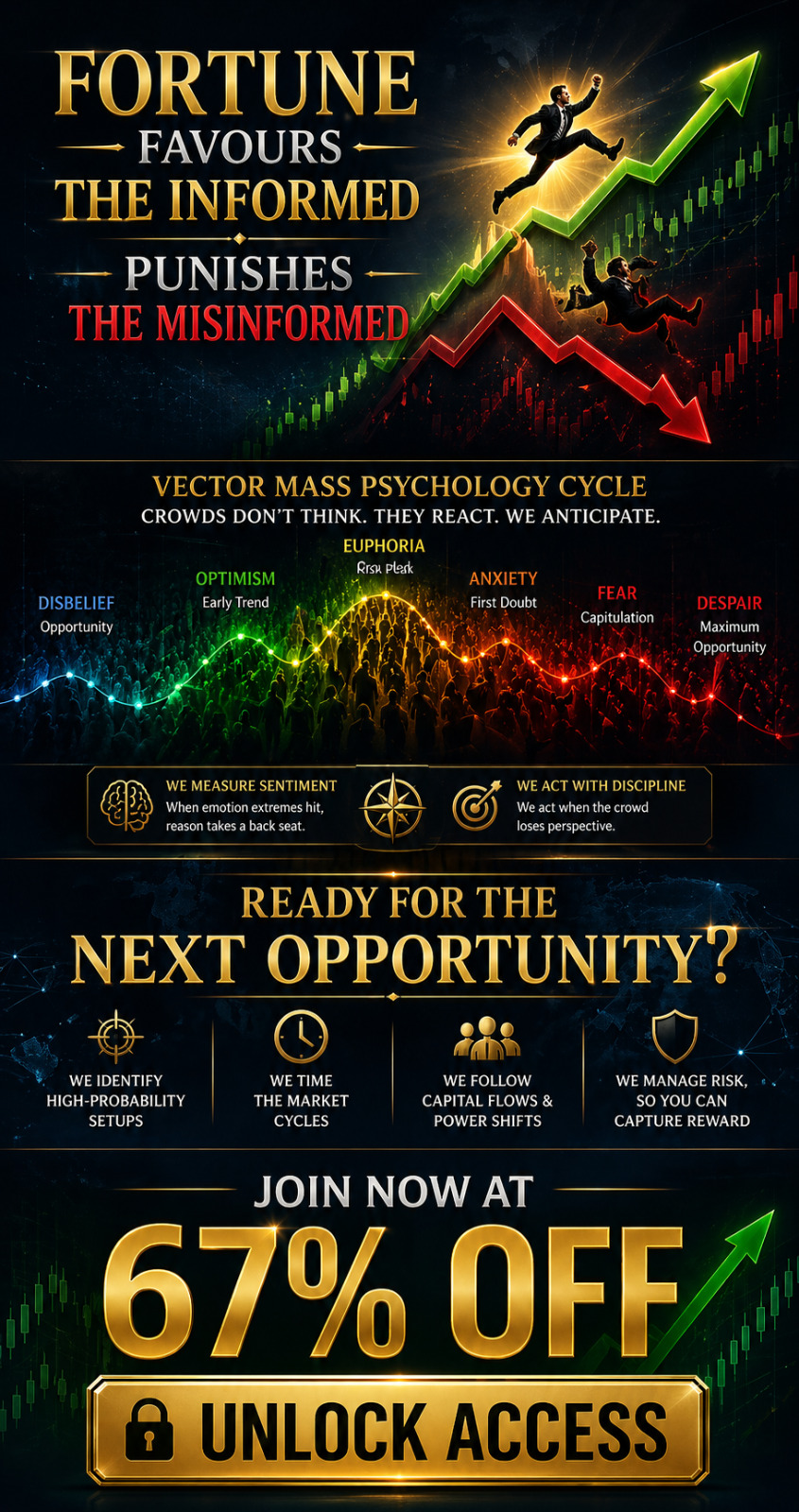
Here’s the deeper truth. The VIX works as a contrarian signal precisely because crowds synchronize their emotions. When fear hits a critical mass, everyone reaches for protection at the same moment, driving option premiums to extremes. When complacency hits a critical mass, everyone forgets to hedge at the same moment, driving premiums into the basement. Both extremes are visible in the VIX before they become obvious in price.
The investor who learns to trade the gauge isn’t trading volatility. They’re trading the predictable rhythm of human emotion at scale. That rhythm has been remarkably consistent for as long as markets have existed. The technology changes. The tickers change. The crowd does not.
The Bottom Line
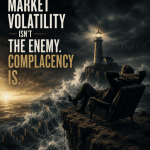
A fear gauge trading strategy isn’t about predicting the future. It’s about recognizing the present more honestly than the crowd around you. When the VIX is calm, prepare. When the VIX is loud, act. When the VIX is screaming, breathe — and then act anyway, because that’s where the real opportunities have always lived.
The market doesn’t pay you for predicting fear. It pays you for being calm while it’s happening. The VIX just tells you when the bonus is biggest.
And the bonus, historically, has always been biggest when the headlines made buying feel insane. That’s not a coincidence. That’s the whole job description.