

AI, Consciousness, and the Speed Trap
Feb 26, 2026
There is still far too much excitement around AI, and it hinges on a basic human error. We mistake fluent output for awareness because we hear our own thoughts as narration. Yet most human behaviour operates on reflex, inputs producing quick outputs with almost no deliberate reasoning. In that sense, much of what we do mirrors shallow inference rather than deep reflection.
You could call it low token depth: only a handful of concepts active at once, stitched together rapidly from familiar patterns. Humans do this constantly. Machines simply execute the same process faster. Speed is the trick, fluent answers create the illusion of understanding even when none exists.
AI reflects its makers. These systems complete patterns rather than form intentions. What looks like reasoning is often just the structure of training expressing itself, absent any lived experience behind it. There is no cost to error, no memory shaped by consequence. That absence matters. Learning without consequence produces fluency without judgment.
People who work closely with these systems describe them in similar terms: not conscious, not self-directed, but highly efficient response engines. The discomfort comes when we notice the mirror — how much of human life is also governed by learned scripts rather than deliberate thought.
Speed and Belief
AI functions through signal processing at extreme speed. Velocity creates coherence, coherence creates trust, and trust invites projection, observers imputing meaning where none exists. The result looks intelligent even when it is only pattern completion.
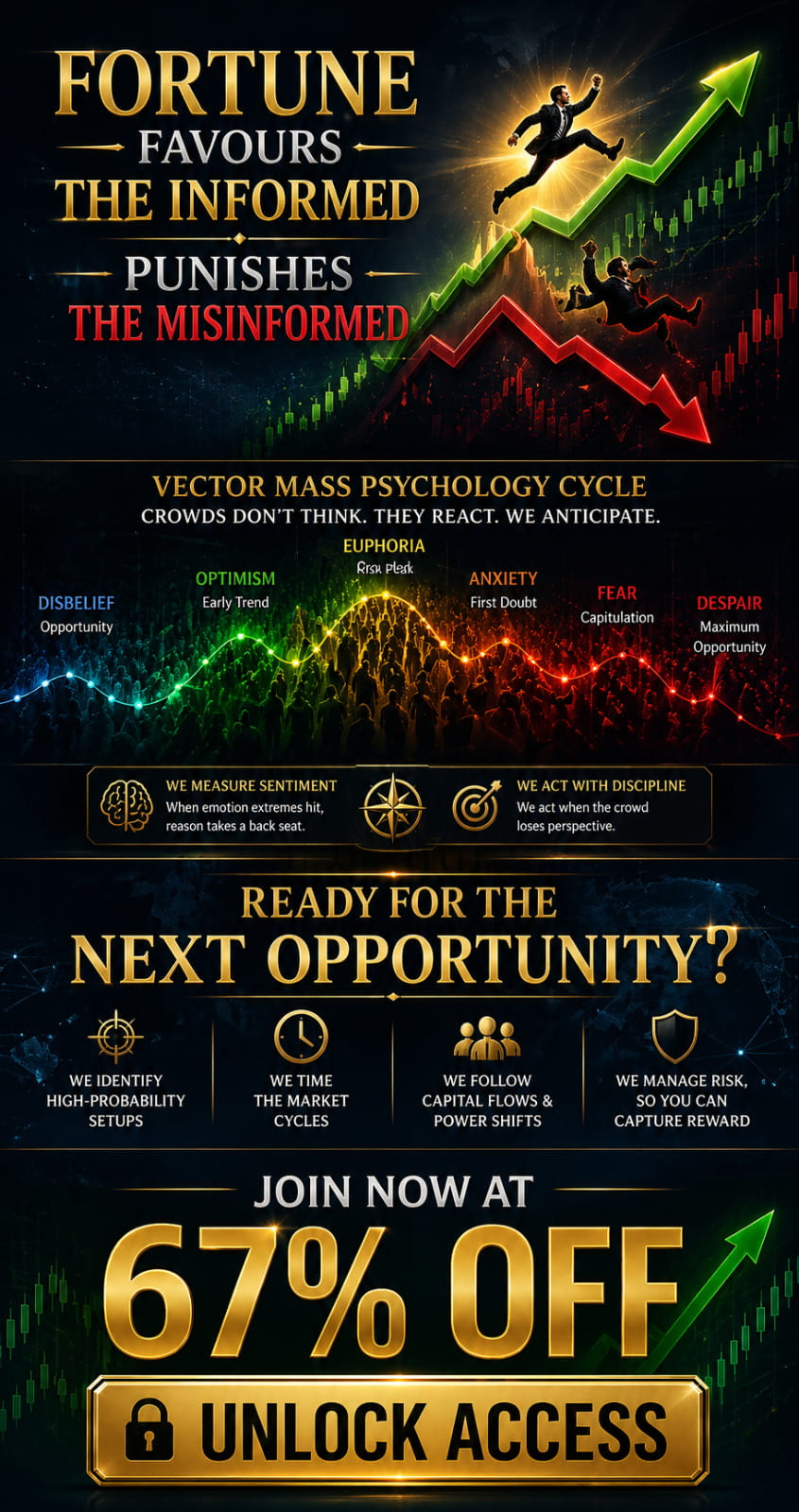
We’ve seen this elsewhere. Confident delivery and dense terminology can sound insightful until examined slowly, where the substance often thins out. Markets behave the same way: repetition, narrative strength, and speed create belief, and belief pushes capital long before reality verifies anything.
The current AI enthusiasm fits that pattern. The noise is high, conviction louder still, and skepticism treated as outdated. That does not confirm transformation. It resembles a cycle where narrative momentum runs ahead of validation.
Posture, Not Panic
The takeaway isn’t alarm; it’s positioning. Excess corrects through repricing, and sharp declines in leading AI names would release pressure far more effectively than a slow drift lower. Markets revalue stories before fundamentals officially shift.
Capital already hints at rotation. Volatility in AI-linked assets bleeds into adjacent sectors as risk quietly redistributes before anyone names it. This stage rarely announces itself. Markets move first; commentary arrives later. Silence in markets often means adjustment is underway, not stability. By the time explanations appear, the repricing has already happened.