
GTFO? Smart Money Stays While Idiots Flee
Jul, 21 2025
GTFO. Four letters that capture the raw panic of every blown trade, every collapsing position, every moment when the crowd stampedes for the exits. The internet birthed this crude acronym—”get the f*** out”—as a dismissive insult, a way to tell someone they’re too stupid to stay in the conversation. But buried in this vulgar command is a deeper truth about human psychology, market dynamics, and the art of strategic exits.
Here’s what the masses miss: GTFO isn’t just internet slang for telling trolls to leave. It’s a window into how most people handle pressure. When things turn south, when positions bleed, when reality diverges from expectations—the emotional brain screams one thing: RUN. Get out. Cut losses. Abandon ship. No thinking, just fleeing.
This is where fortunes evaporate. Not in the initial loss, but in the panic that follows.
The Anatomy of Panic
Watch any market crash, any social media pile-on, any gaming lobby when things go sideways The pattern never changes. First comes surprise—this wasn’t supposed to happen. Then denial—it’ll turn around. Finally, when reality becomes undeniable, the GTFO reflex kicks in. Everyone rushes the exits simultaneously, creating the very catastrophe they’re trying to escape.
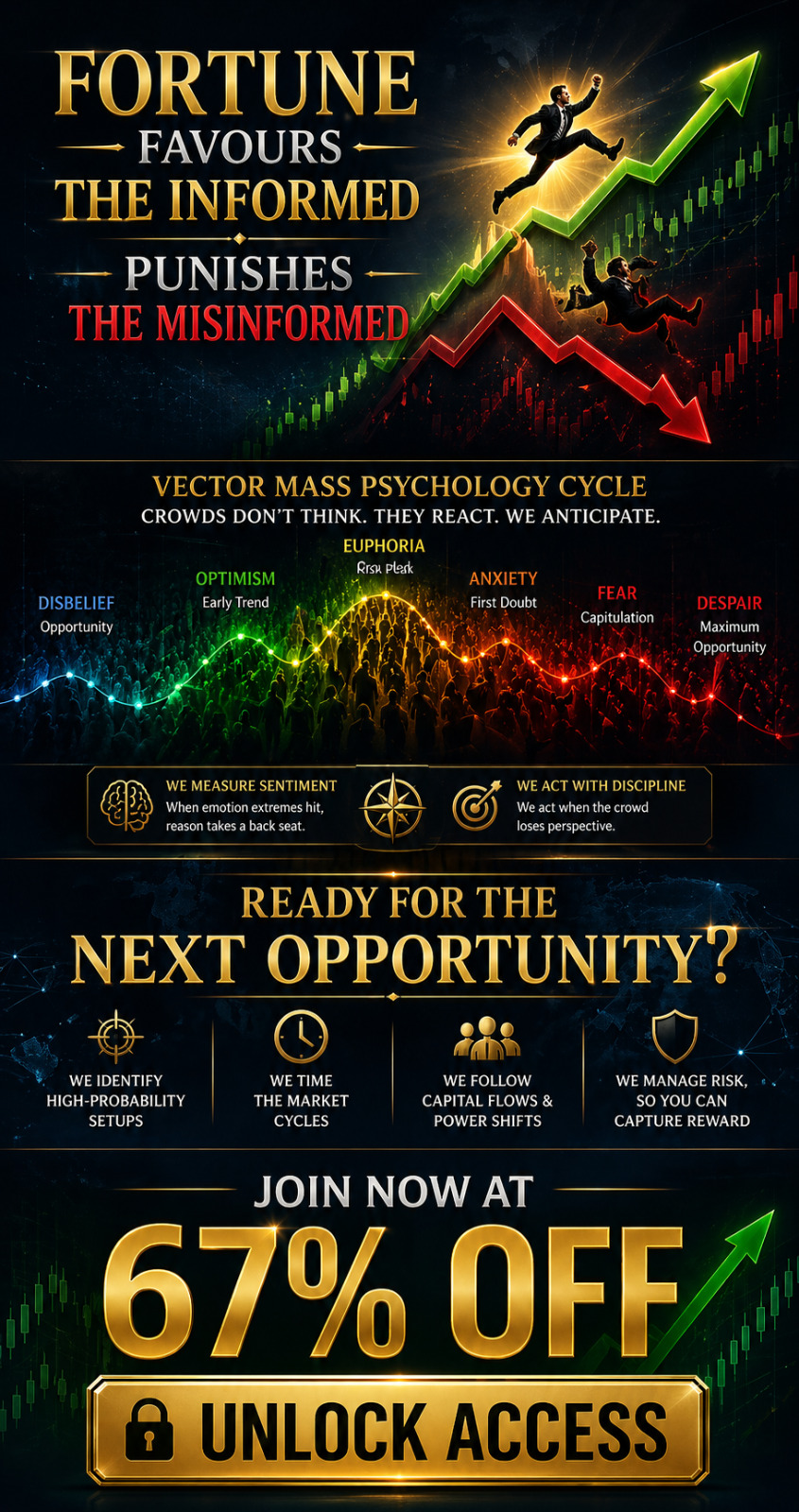
The cruel irony? By the time your emotional brain screams GTFO, it’s usually the worst possible moment to act. You’re selling into maximum fear, buying into peak euphoria, following the herd off the cliff. The acronym itself carries this energy—aggressive, reactive, thoughtless It’s the battle cry of the emotionally hijacked.
But what do the smart operators do? They recognize GTFO moments for what they really are: psychological inflection points where the crowd’s emotions create opportunity.
The Inversion Principle
Think like Munger, trade like Livermore. When everyone’s screaming GTFO, the contrarian asks different questions:
Why now? What changed to trigger this mass exodus? Is it fundamental or just fear feeding on itself?
Who’s selling? Weak hands or strong? Retail panic or institutional repositioning?
What’s the real risk? Not the perceived risk that has everyone running, but the actual, quantifiable downside from here.
The video game GTFO accidentally captures this perfectly—it’s not about mindless escape but strategic completion of objectives before extraction . The name evokes panic, but success requires the opposite: methodical planning, resource management, coordinated movement. Pure psychology embedded in game design.
Exit Velocity vs Exit Strategy
Here’s what separates professionals from amateurs: professionals plan their exits before they enter. They know their GTFO points—not as emotional triggers but as predetermined levels based on risk management and position sizing. When those levels hit, they execute without emotion. No panic, no second-guessing, just clean tactical withdrawal.
The amateur? They enter positions thinking only about upside. The exit strategy is “I’ll know when to sell.” Then reality hits, emotions flood in, and GTFO becomes their only mode—reactive, destructive, always too late.
Marcus Aurelius had it right: “Confine yourself to the present.” The GTFO reflex pulls you into future fears or past regrets. But optimal decisions happen in the narrow band of now, processing current information without emotional contamination.
The Art of Strategic Retreat
Military strategists know what traders learn through pain: retreat isn’t defeat if it’s strategic. The Russians burned Moscow to defeat Napoleon. Cryptocurrency whales orchestrate controlled sell-offs to shake out weak hands before re-accumulating. The appearance of GTFO masks sophisticated positioning.
This is the paradox—sometimes the smartest move looks exactly like panic to untrained eyes. The difference lies in intentionality. Emotional GTFO is reactive, chaotic, driven by fear. Strategic withdrawal is calculated, timed, part of a larger game.
Consider how smart money actually exits:
- They scale out gradually, not all at once
- They sell into strength, not weakness
- They have multiple exit scenarios planned before entry
- They use the crowd’s GTFO moments as liquidity events
The crowd provides the volume for professional exits. When retail traders panic-sell, institutions accumulate. When forums scream GTFO, smart money quietly positions for the reversal.
Reading the GTFO Signals
Social media amplifies GTFO psychology. Watch sentiment shift in real-time—from euphoria to doubt to full panic. These digital stampedes create readable patterns:
Peak GTFO indicators:
- Maximum negative sentiment across platforms
- Capitulation language (“it’s over,” “going to zero”)
- Former bulls turning bearish
- Media piling on with disaster narratives
When these align, you’re often near maximum pessimism. Not always a bottom, but frequently a zone where risk/reward shifts favorable for contrarians.
The Deeper Game
GTFO represents more than internet rudeness or trading psychology—it’s about power dynamics. Who can force whom to leave? Who decides when the game ends? In markets, in negotiations, in any competitive arena, creating GTFO pressure on opponents while maintaining your own composure is the meta-game.
This is why the acronym carries such force. It’s not requesting departure—it’s demanding it, asserting dominance through emotional violence . But emotional violence only works on the emotional. The disciplined operator recognizes the attack and refuses to react.
Think of GTFO as a test. When someone—or something—triggers your flight response, that’s the moment to pause. Why do they want you gone? What advantage does your exit create for them? Often, the very intensity of the GTFO signal reveals the underlying agenda.
The Exit That Isn’t
Here’s the ultimate inversion: sometimes the best response to GTFO pressure is to stay. Not from stubbornness, but from recognition that forced exits usually benefit the forcer more than the forced. The smart play might be to:
- Reduce position size instead of full exit
- Hedge rather than close
- Wait for the emotional wave to pass
- Use the pressure to negotiate better terms
The game within the game: appearing to GTFO while actually repositioning. Let them think they’ve won while you set up the next move.
Mastering Your Own GTFO Reflex
The hardest part isn’t reading others’ panic—it’s controlling your own. That fight-or-flight response is hardwired, prehistoric, faster than conscious thought. You can’t eliminate it, but you can train around it:
Pre-commitment: Decide exit criteria when calm, execute regardless of emotions Position sizing: Never risk more than you can lose without triggering panic Practice: Use small positions to train emotional control Post-analysis: Study your GTFO moments—what triggered them? Were they optimal?
The goal isn’t becoming emotionless but becoming strategically emotional. Channel the energy of GTFO into fuel for better decisions rather than reactive ones.
The Strategic Paradox
The title promises that smart operators do the opposite of panic bolting. But sometimes the opposite of GTFO is also GTFO—just executed with precision rather than panic. The difference isn’t the action but the decision process.
Fools GTFO because everyone else is. The wise GTFO because their plan demands it. Fools GTFO at maximum pain. The wise GTFO before pain begins. Fools GTFO once. The wise GTFO partially, systematically, strategically.
The acronym remains crude, violent, emotional . But understanding its psychology—both in yourself and others—transforms it from weakness into weapon. Every GTFO moment becomes data: about market psychology, about your own triggers, about the hidden dynamics of power and position.
Master this inversion and you’ll find opportunity where others see only catastrophe. The exits everyone rushes become your entrances. Their GTFO becomes your BTFD. Their panic, your profit.
Because in the end, GTFO isn’t really about leaving. It’s about understanding why everyone else needs to.