
Stock Market Outlook 2025: Trust the Charts, Not the Chatter
Update Feb 11, 2026
Short‑term forecasts are financial clickbait. These crystal‑ball calls about the next three months? They’re voodoo wrapped in chart overlays—rolling bones and calling it strategy. The truth remains unchanged: the market doesn’t pay you for predictions. It pays you for positioning, discipline, and patience.
Forecasts distract. Trends pay.
Right now, the technical picture shows a stretched market. Both the S&P 500 and Nasdaq sit extended on weekly and monthly charts. Market breadth is fading—the A/D line isn’t confirming new highs, and fewer stocks hold above their 200‑day moving averages than in late 2023. The McClellan Summation Index topped out in January, hinting at fatigue.
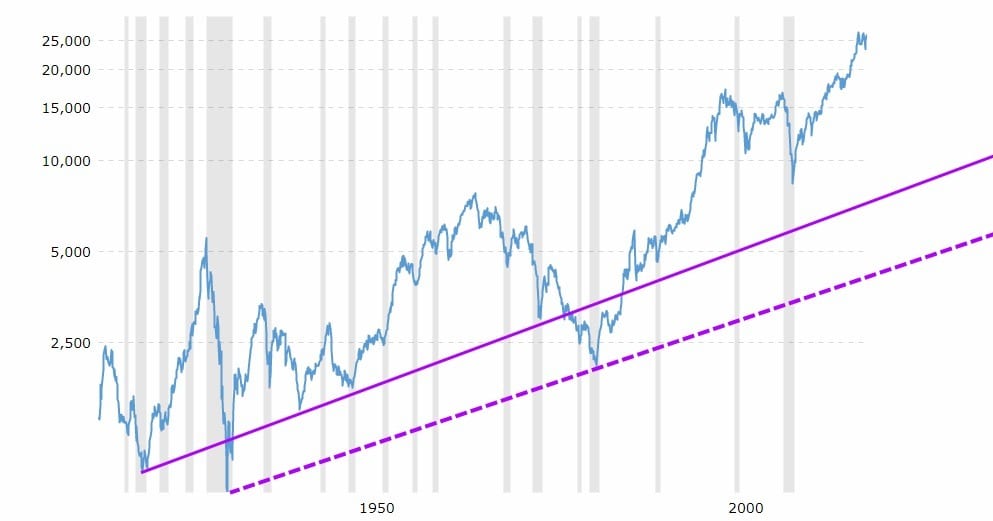
But without panic or mania from the crowd, these signals remain smoke, not fire. Markets don’t fall because indicators blink red—they fall when psychology fractures.
Technical signals without emotional confirmation are hollow.
That’s the blind spot most traders never address.
The Real Game: Mass Psychology and Behavioral Blindness
The market doesn’t move on logic—it moves on emotional excess, narrative manipulation, and herding behaviour running hot. Price means nothing without understanding people.
Cognitive Traps That Kill Traders:
- Herding: Buying tops because the crowd is euphoric, selling bottoms because the crowd is terrified.
- Loss Aversion: Clinging to losers in hope, cutting winners out of fear.
- Confirmation Bias: Hunting only for data that flatters your existing opinion.
- Anchoring: Treating arbitrary price levels or past highs like gospel.
You want to win? Then flip the script.
When confidence surges, slow down. When fear spikes, lean in.
The Burro Theory: Who’s Riding Who?
The Tactical Investor’s Burro Theory exposes the illusion perfectly: when everyone imagines they’re the cowboy guiding the market, the market reminds them they’re the burro being dragged into volatility.
The crowd never leads price—they chase it. Always late. Always reactive.
Forecasts Are for Fools. Crashes Are for Kings.
The biggest wealth transfers don’t happen during smooth uptrends. They happen in fog—during sharp pullbacks and outright crashes. And you won’t catch those moves by reading quarterly forecasts from analysts who missed every major reversal of the last decade.
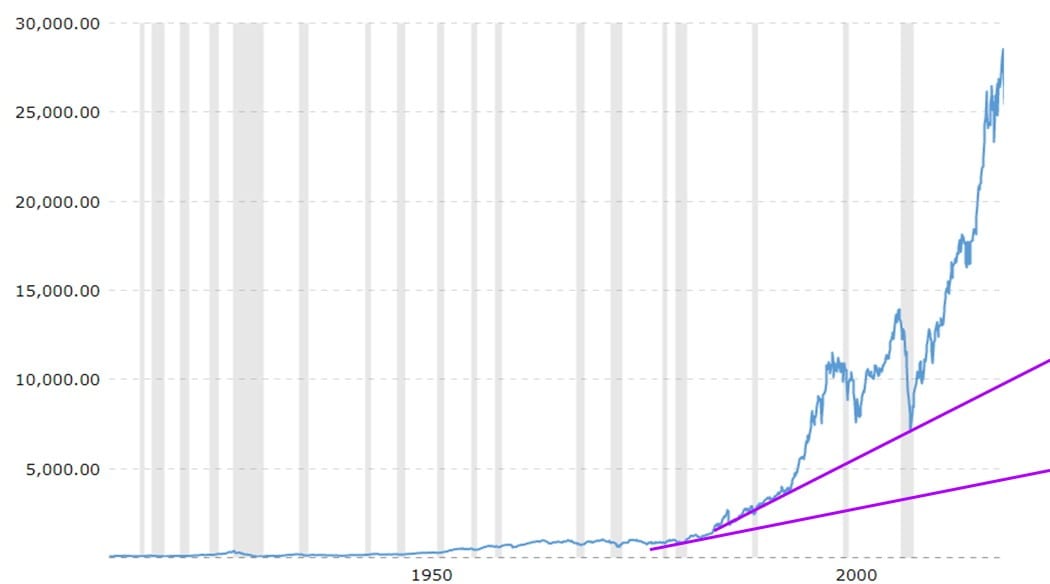
Here’s how professionals handle these windows:
- Study long-term charts and draw the structural trendlines.
- Watch for sentiment extremes—bearish readings above 55% are gold dust.
- When price pierces long‑term support and fear explodes, that’s your loading zone.
Miss that window and you’ll end up FOMOing at the highs and panicking at the lows. Again.
The Bipolar Market and Where the Smart Money Hides
The AI‑mania names—the “Magnificent Seven”—are carrying the show. Everything else is limping or sinking. Utilities are attracting fearful money. Bitcoin’s exploding. This isn’t balance—it’s fracture.
Bonds are twitchy. Commodities such as lithium, palladium, and oil are volatile, unloved, and underpriced. That’s the rotation most won’t see until it’s over.
Ignore the headlines. Track the hidden flows. That’s where real setups form.
Tactical Rules of Engagement
- Stop Forecasting. Start Observing.
The winners don’t predict—they prepare. Tape, sentiment, trend. Everything else is noise. - Use Technical Analysis as a Weapon, Not a Crutch.
MACD, RSI, trendlines—they shift probabilities, not destiny. - Understand Crowd Psychology. Exploit It.
Markets are mood swings turned into price action. Anchor your advantage in that instability. - Train for Crashes. Don’t Fear Them.
The amateurs pray for bulls and panic in bears. Flip it. Crash = clearance sale. - Be Patient When Others Chase. Be Ruthless When Others Sleep.
The best entries appear when attention disappears.
The Harsh Truth: Most Traders Should Get Wrecked
The market is a battlefield, and most walk in armed with dopamine and TikTok clips, not discipline. They rotate strategies every week, chase colours on heat maps, and expect instant gratification in a world that rewards endurance.
Want to win? Forget hope and perfection. Strike when fear peaks and paralysis grips the masses.
Past Lessons, Present Edge
In 1999, we told clients to dump dot‑com hype. They laughed.
In 2008, we warned about housing fragility. The media scoffed.
In 2020, we called COVID a generational entry point. They raged.
The rage always comes before the regret. The crowd hates early calls because early feels wrong. But late destroys portfolios.
History doesn’t rhyme—it echoes. Loud enough for anyone listening. The herd never listens.
This Isn’t About Prediction. It’s About Preparation.
If you’re still begging for a 3‑month forecast, you’d get more value cracking open a fortune cookie. At least you’d get a joke with your delusion.
This market isn’t a puzzle. It’s a battlefield. Wait for confirmation and you’re already behind. Trust forecasts and you’re already lost.
The ones who thrive? They don’t predict the future—they prepare for volatility, exploit extremes, and move while others freeze.
You don’t need foresight. You need awareness—of where opportunity appears when the crowd goes blind.
Conclusion: Market Warfare — Strike First, Leave Before the Slaughter
Trying to pick the exact top is a fool’s sport. Sure, we’ve timed a few—but even we’ll admit that instinct and timing often dance with luck. Anyone promising certainty is selling theatre, not truth.
The masters—those who survive decades—never wait for confirmation. They enter before the stampede and exit while the crowd celebrates. We exited real estate before the 2008 implosion. We warned about dot‑com delirium in 1999. The crowd mocked, as they always do. Then reality arrived.
And when COVID hit in 2020, we told readers it was a generational buy. The outrage was volcanic. But memory is short, and conviction shorter.
The only truths that matter?
Strike quickly. Stay sharp. Never believe the lie that “this time is different.”
The cycle never changes: euphoria, panic, collapse, recovery. New faces, same psychology. The herd always arrives late, always mistakes momentum for safety, and always mocks those who see the inflection before it forms.
The market rewards precision, discipline, and timing—not emotion.
When fear grips the masses, the bold establish positions. When greed blinds them, the wise step aside. Success isn’t about omniscience—it’s about acting at the right moment, not every moment.