Analysing the Current Dogs of the Dow: Dividend Opportunities and Market Outlook
Updated Jan 29, 2026
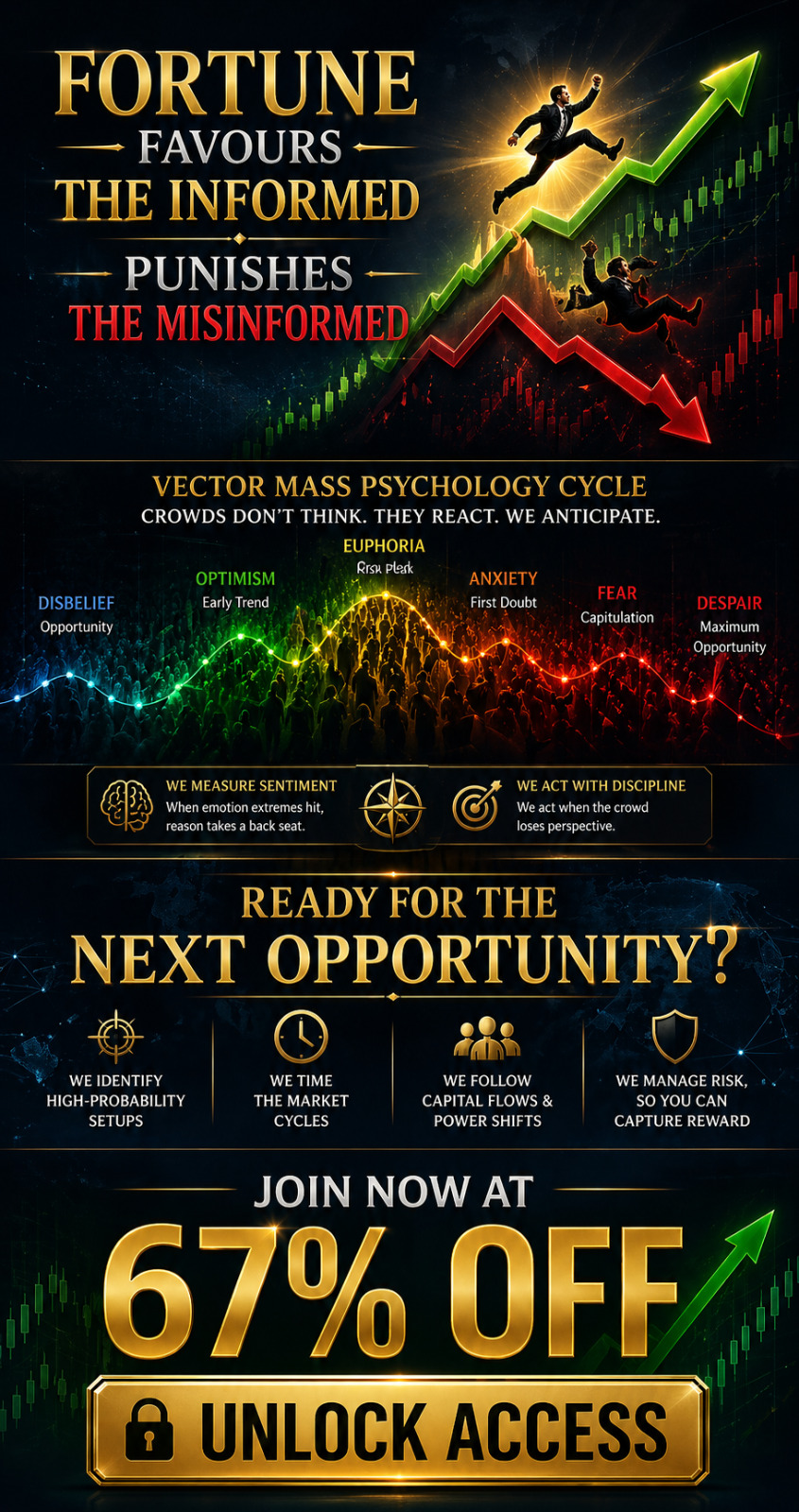
Beware the stampede. In the electric theatre of modern markets, the greatest threat to your wealth isn’t a crash, inflation, or the next geopolitical shock. It’s the primal panic of the crowd—that split-second surrender to fear that transforms seasoned investors into a reckless herd, trampling over logic, opportunity, and their own futures. When markets howl and headlines shriek, most people flee. They sell at the worst possible moment, lock in losses, and spend years cursing their luck.
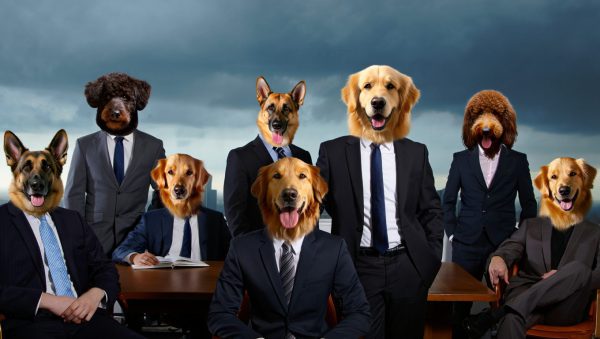
But a precious few step into the storm instead. The true contrarians understand something fundamental: in the shadow of collective terror, the seeds of fortune are sown. Nowhere is this more apparent than in the annual drama surrounding the current Dogs of the Dow—a list that serves as much as a psychological litmus test as an investment screen. Master it, and you master not just stocks, but yourself.
When the Pack Panics: Herd Mentality Meets the Dogs
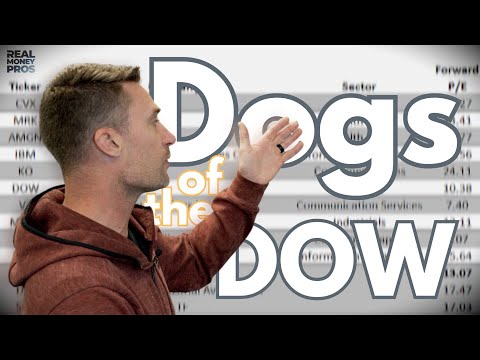
The Dogs of the Dow strategy appears elegantly simple on its surface. Each year, you select the ten highest-yielding blue-chip stocks from the Dow Jones Industrial Average, betting that their battered prices and hefty dividends will produce above-average returns. Yet beneath this simplicity lies a battlefield of human psychology.
Why do these “dogs” exist in the first place? Because the market, in its infinite wisdom—or folly—has collectively marked them as outcasts. They’ve been sold down on fears of declining growth, sector malaise, or the whiff of scandal. Each year’s list stands as a testament to mass aversion. In recent years, names like Verizon, Walgreens Boots Alliance, and Intel found themselves abandoned, their yields swelling as prices tumbled on waves of negative sentiment.
History offers brutal lessons about what happens when crowds panic. Consider October 1929. The Wall Street Crash wasn’t just a financial event—it was a psychological contagion spread not by facts but by fear. Investors sensing trouble dumped stocks en masse, triggering a cascade that wiped out fortunes and confidence alike. Fast-forward to 2008: the collapse of Lehman Brothers ignited another stampede, as even blue-chip stalwarts were thrown onto the pyre. In 2020, the COVID-19 panic saw markets plummet with speed unmatched in history, the sell-off fuelled more by uncertainty than any rational assessment of value.
Each time, the crowd’s instinct was identical: sell first, ask questions later.
What drives this madness? Cognitive biases—loss aversion, confirmation bias, social proof—combine with the 24-hour news cycle and social media echo chambers to amplify every tremor. Uncertainty transforms into apocalypse. The Dogs of the Dow, each bearing scars of recent panic, stand as living proof of how rapidly fear turns quality businesses into market pariahs.
Dividends in the Inferno: When Panic Creates Opportunity
Yet within this chaos lies the contrarian’s edge. The Dogs of the Dow aren’t a random collection of fallen angels. They’re blue-chip companies with battered reputations, generous dividends, and often resilient business models. When the herd panics, yields soar—not because these companies are doomed, but because the crowd’s flight drives prices irrationally low. This is precisely the moment of opportunity.
Take IBM in the early 2010s. Written off as a relic, it offered a fat dividend while the market scorned its transition. Those who bought during the pessimism enjoyed years of strong yields and robust returns. Or consider Chevron in 2020: as oil prices collapsed and climate panic peaked, the stock got crushed. Contrarians who stepped in not only locked in high yields but captured outsized capital gains as sentiment recovered.
What separates the winners from the wrecked? Discipline, vision, and a refusal to mistake the crowd’s fear for reality. Warren Buffett, for all his folksy charm, is ruthless when exploiting mass panic. “Be fearful when others are greedy, and greedy when others are fearful,” he advises—guidance easier given than followed. The real contrarian isn’t simply a cynic or gambler. He’s a student of psychology, a master of emotional control, and a patient collector of dividends when others are paralysed by dread.
Strategic Ingenuity: Using Options to Harness Fear
There’s more to be mined from panic than simple stock-picking. When volatility surges—as it often does around the Dogs of the Dow—option premiums inflate, sometimes absurdly so. This is where advanced contrarians deploy a sharper edge: selling put options on these out-of-favour giants.
In essence, you’re paid handsomely to agree to buy quality companies at even lower prices, should the market’s fear prove justified. If the puts expire worthless, you pocket the premium as pure profit. If assigned, you acquire blue-chip stocks at net prices even more absurdly discounted, locking in juicy dividends for years to come.
Consider Walgreens Boots Alliance during a period of intense negativity. As headlines swirled and the crowd fled, implied volatility on its options soared. A disciplined investor could sell cash-secured puts at a strike well below the prevailing price, collecting substantial premiums. Suppose you collect $2 per share on a $20 strike put—if the stock stays above $20, you keep the cash. If it falls, you buy a 5% yielder at a net cost of $18, boosting your yield and margin of safety considerably.
The real alchemy comes when reinvesting these premiums into LEAPS—long-dated call options on the same battered names. With the crowd pricing in perpetual misery, LEAPS can offer transformative upside for a modest outlay. The synergy is powerful: you’re paid to wait, paid to buy, and you retain optionality for explosive gains if sentiment turns. This isn’t blind speculation. It’s calculated risk-taking—using the market’s own fear to build a long-term portfolio of blue-chip compounders.
The Virtue of Restraint: Why Discipline Separates Winners From Casualties
Of course, contrarianism without discipline is mere bravado. Many have been ruined by confusing boldness with recklessness—doubling down on dying companies, ignoring balance sheets, or misjudging how long negative sentiment can persist. The Dogs of the Dow, for all their pedigree, aren’t immune to secular decline. A falling knife can always fall further. An out-of-favour stock can become a permanent loser.
Emotional control is paramount. Set strict position sizes. Demand robust dividend cover. Never risk more capital than you can afford to lose. Use technical analysis, watch for signs of capitulation, and above all, remain intellectually honest. The crowd may be irrational, but the market isn’t always wrong.
During the 2008 crisis, for every investor who bought Wells Fargo or Johnson & Johnson at the depths, there were others who chased names like Lehman or General Motors into oblivion. The difference? A relentless focus on quality, cash flow, and long-term viability. Contrarian investing isn’t about being contrary for its own sake. It’s about knowing when the crowd has overshot, and when genuine risk remains. Learn to distinguish between cyclical pain and existential threat. Filter the Dogs with care, demand evidence of resilience, and remember: the market can remain irrational longer than you can remain solvent.
Vision Beyond the Herd: The Path Forward
In the end, analysing the current Dogs of the Dow isn’t just about screening for high yields or betting on mean reversion. It’s a test of will, independent thinking, and the courage to see opportunity where others see disaster. The crowd will always panic. The headlines will always shout. True investors—those who blend insight with discipline, who turn fear into advantage—are destined to thrive while the herd nurses its wounds.
Today’s Dogs—Verizon, Walgreens, 3M, Dow, Intel, and their kin—aren’t mere tickers. They’re case studies in mass psychology, living reminders that markets are made not by numbers alone, but by human nature in all its flawed glory. To succeed, you must see through the fog of collective emotion and act with clarity, patience, and purpose.
Break free from the tyranny of the crowd. Let others panic while you prepare. Deploy capital when others hoard cash. Collect dividends while others bemoan paper losses. Harness fear not as a foe, but as a forge for your own financial autonomy. The path to wealth is clear: learn from history, master your mind, and invest with courage when the world trembles.
Timeless Wisdom: Articles for the Modern Thinker