

What Dow Utilities Are Telling Us About the Market’s Next Move
Jan 23, 2026
Reading the Market’s Tea Leaves Through Utilities
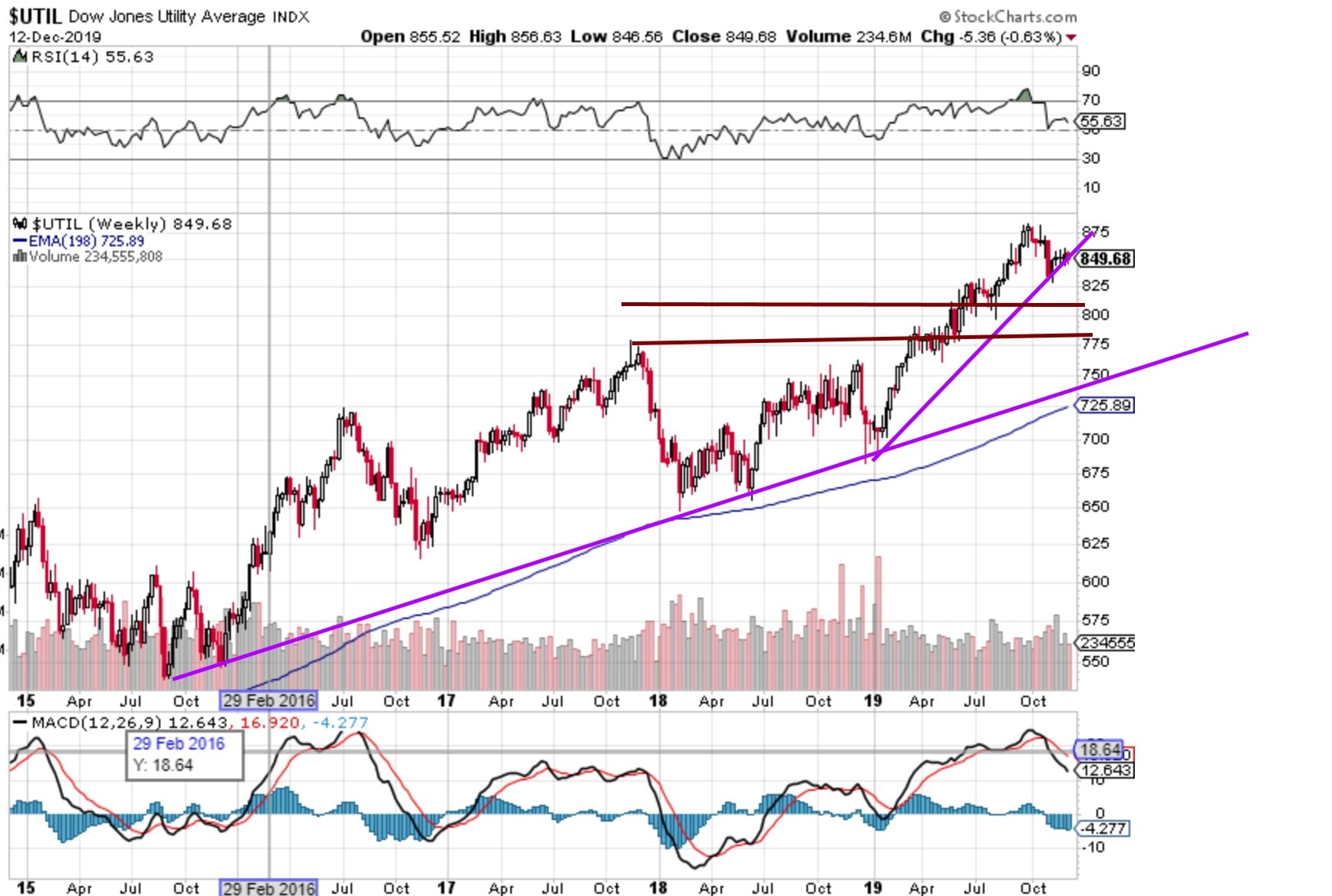
The Dow Utilities (IDU) surged to fresh highs back in September, and if you understand the Tactical Investor’s take on Dow Theory, you knew what was coming next: the broader market followed suit, with the Dow setting new records in both November and December. The laggard in this whole scenario? Dow Transports. But don’t worry, that sector tends to catch up eventually. It just moves on its own timeline.
Right now, both Dow Transports and Dow Industrials are trading in deeply oversold territory, which means there’s plenty of room for upward movement. The flip side? Dow Utilities are pushing into overbought territory. When the next bearish MACD crossover hits, we could see the IDU pull back to the 133-139 range, which translates to a move in the 9300-9600 zone for the Dow Utilities themselves. If that happens, don’t panic, and view it as an opportunity knocking.
Here’s the thing: if Dow Utilities take a breather, expect the Dow to follow. How severe that pullback gets will determine whether we’re looking at a mild correction or something more dramatic. But the broader trend remains bullish, so any dip should be seen through an opportunistic lens. The bigger the deviation from normal levels, the more compelling the buying opportunity becomes.
We’re expecting transportation stocks and several other components within the Dow industrials to outperform the broader market. When a sector gets beaten down while the overall trend remains positive, that’s often the perfect setup for establishing long positions.

The Short-Term Picture for Utilities
Critical Levels That Matter
Pay close attention to these technical thresholds. If the Dow Utilities (IDU) closes below the 801-804 range, or if IDU consistently closes below 141 on a monthly basis, it signals a failed breakout attempt for Dow Transports. When that happens, the conventional wisdom will be that transportation stocks are headed for a breakdown. But here’s where contrarian thinking pays off: the opposite is likely to unfold. This scenario actually sets the stage for a potential turnaround, with the transportation sector positioned to outperform the broader market over the next 9-12 months.
Now, if Dow Transports trades below 10,500 for three consecutive days, the probability of a sharp move down to the 9300-9600 range for Dow Utilities increases dramatically. But again, and this bears repeating: treat any pullback as an opportunity rather than a reason to flee. The current setup suggests transportation is positioned for a significant rebound despite these temporary setbacks. In a market that’s still riding a bullish trend, corrections like these ultimately become stepping stones to bigger gains.
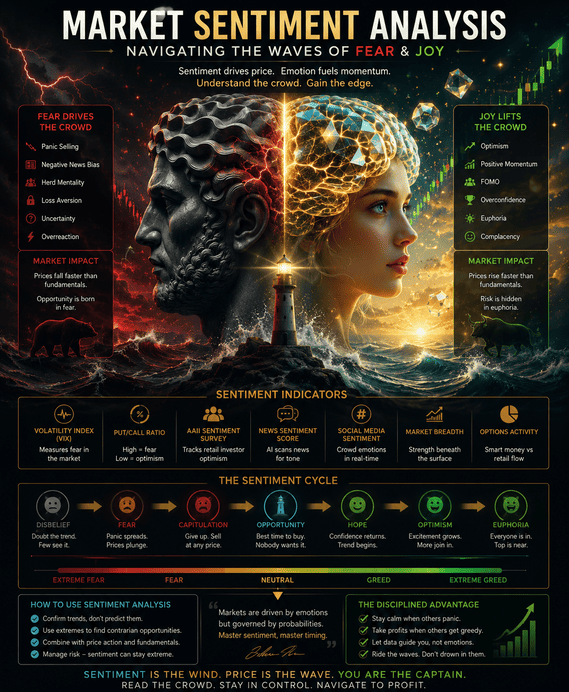
It’s remarkable to see bullish sentiment continuing to decline while the market trades near all-time highs. The anxiety gauge has pulled back significantly and is now trading very close to panic territory. Market Update Nov 30, 2019
The Dow is trading near 28,000 again, yet if you looked at investor sentiment alone, you’d think it was closer to 26,500. Neutral sentiment has climbed another two points, approaching a three-month high. Bullish readings remain well below their historical average of 39. The overall sentiment picture tells us that any significant pullback, should it materialize, needs to be viewed as an opportunity rather than a disaster.
Here’s the bottom line: next year’s market action is going to catch about 90% of experts completely off guard. All those experts, even the ones who nailed the first part of this bull market, are now wearing their emotions on their sleeves. How do we know? Just pay attention to their political biases. Whether it’s politics or finance, if you’re operating from a place of bias, your vision gets clouded. And clouded vision leads to clouded analysis.

Dogs of the Dow vs. Small Dogs: Which Strategy Wins?
The “Dogs of the Dow” strategy has been a favorite among income-focused investors for years. The approach is simple: buy the ten highest-yielding stocks in the Dow Jones Industrial Average at the start of each year. But there’s a variation that deserves attention: the “Small Dogs of the Dow” strategy, which focuses on the five lowest-priced stocks from those original ten. Proponents argue this variation might actually be more effective, and the historical data backs them up.
A Forbes study found that the Small Dogs outperformed the regular Dogs in nine out of ten years between 2003 and 2013. Over that same stretch, the Small Dogs also beat the Dow Jones Industrial Average itself in seven of those years. That’s a track record worth noting. The reasoning behind the Small Dogs’ success is fairly straightforward: these stocks typically offer greater growth potential than the highest-yielding Dogs, which tend to be more stable but less likely to appreciate dramatically. Plus, the Small Dogs strategy offers better diversification since you’re only holding five stocks instead of ten.
Additional research from the New York Times found similar patterns, with the Small Dogs outperforming the regular Dogs by an average of 3% annually between 1988 and 2009. But here’s the mandatory disclaimer: past performance never guarantees future results, and all investment strategies carry inherent risks. Before diving into either Dogs or Small Dogs, evaluate your financial goals carefully, assess your risk tolerance honestly, and consider your time horizon realistically. Consulting with a financial advisor is always recommended to ensure the strategy aligns with your individual needs and objectives.
Seizing Opportunities With Tactical Precision
The current landscape reveals a significant shift in market dynamics, creating remarkable opportunities for those who understand the indicators and have the discipline to act decisively. The Dow Utilities and Dow Transports are providing powerful signals about where the market’s headed. The surge in Dow Utilities back in September, followed by the broader market’s rise in November and December, illustrates the ongoing bullish trend underneath all the noise.
While Dow Utilities are approaching overbought territory, any forthcoming pullback shouldn’t trigger alarm: it should trigger interest. If utilities retreat to the 9300-9600 range, that would offer a compelling entry point, reinforcing the idea that corrections in a bull market are simply short-term setbacks within a larger upward trajectory.
The critical turning point to watch: if Dow Transports dip below 10,500 for three consecutive days, expect increased volatility. But this scenario would also position the transport sector for a substantial rebound, further reinforcing the broader positive outlook. Small dips caused by sector-specific volatility should be viewed through a bullish lens, as they often precede major upturns. History supports this: the transport sector is expected to outperform over the next 9-12 months, just as it has during past periods of temporary underperformance.
There’s also an intriguing dynamic when evaluating strategies like the “Dogs of the Dow” versus the “Small Dogs of the Dow.” The latter has consistently outperformed. Studies show that between 2003 and 2013, the Small Dogs beat the regular Dogs in nine out of ten years. This outperformance aligns with a general market principle: undervalued stocks with growth potential offer more significant upside than stable, high-yielding names that have limited room to run.
The current market presents a fertile environment for those who can look past the noise and identify the underlying bullish trend. Just as the Small Dogs have proven superior over time, recognizing undervalued opportunities within the broader market, whether in utilities, transports, or specific stock strategies, will be key to capitalizing on future gains. Ignore the naysayers and the constant market chatter. Focus on what the data is actually telling you, then act accordingly. The path forward is clear: when the market pulls back on fear or sector rotation, that’s when you double down and prepare for the next wave of growth.