
The Brutal Truth: Your Brain is Sabotaging Your Success (And Logical Thinking is Your Only Weapon)
Updated Mar 20, 2026
Let’s cut through the BS: Your brain is not your friend. It’s a primitive survival machine running on outdated software, making decisions based on fear, greed, and emotional impulses that would have kept you alive 50,000 years ago but are destroying your wealth and success today.
Every day, millions of intelligent people make catastrophically stupid decisions. They buy high and sell low. They trust their “gut feelings” over cold, hard data. They let emotions hijack judgment and then wonder why their portfolios look like train wrecks and their careers are stuck in neutral.
The difference between winners and losers in life isn’t luck, connections, or even raw intelligence. It’s the ability to override your brain’s default programming with logical thinking skills—the mental framework that separates amateur hour from professional-grade decision-making.
Your Mind: The Ultimate Unreliable Narrator
Here’s what nobody tells you: Your brain is constantly lying to you. It creates narratives, fills gaps with fiction, and presents you with a version of reality that’s about as accurate as a funhouse mirror. Without logical thinking skills, you’re navigating life with a broken compass.
Think about the last major financial decision you made. Did you analyse all the data objectively? Or did you cherry-pick information that confirmed what you already wanted to believe? Be honest—because your bank account already knows the answer.
Logical thinking isn’t just some academic exercise. It’s cognitive armour against the endless barrage of manipulation, misinformation, and psychological bias working overtime to separate you from your money and your goals.
The Three-Headed Monster: Reasoning, Analysis, and Critical Thinking
Logical thinking is like a three-legged stool. Remove one leg, and you’re flat on your ass wondering what went wrong. Let’s break down this cognitive trinity that separates the sheep from the wolves:
Reasoning is your ability to connect the dots when everyone else is still looking for the pencil. It comes in three forms, and mastering all three is non-negotiable:
Deductive reasoning moves from broad truth to specific conclusion. If all market bubbles eventually burst, and crypto is in a bubble, then crypto will burst. This isn’t rocket science—it’s basic logic that could save you from financial ruin.
Inductive reasoning spots patterns before they become obvious to the masses. You notice that every time the Fed hints at rate cuts, certain sectors explode. Smart money uses that pattern recognition to position early, before the herd arrives and tramples the price.
Abductive reasoning helps you form the most likely explanation when the full picture is still missing. When a CEO suddenly dumps half their holdings, you may not know every detail, but you don’t need a crystal ball to know something’s wrong.
Analysis is your mental machete, cutting through complexity to expose the simple truths underneath. Most people look at a problem and see chaos. Logical thinkers break it into components, trace relationships, and identify leverage points.
Critical thinking is your BS detector on steroids. It’s the voice that says, “Wait a minute, that doesn’t add up,” when everyone else is nodding along like zombies. It means questioning everything—especially your own assumptions.
Decision-Making: Where Amateurs Get Slaughtered
Every decision you make is either building your empire or burning it down. There’s no middle ground. And here’s the kicker: Most people are playing Russian roulette with their choices, relying on feelings and hunches instead of logic.
Logical thinking transforms decision-making from a gamble into a strategic process. You stop reacting emotionally and start responding deliberately. You see three moves ahead while others are still figuring out the rules of the game.
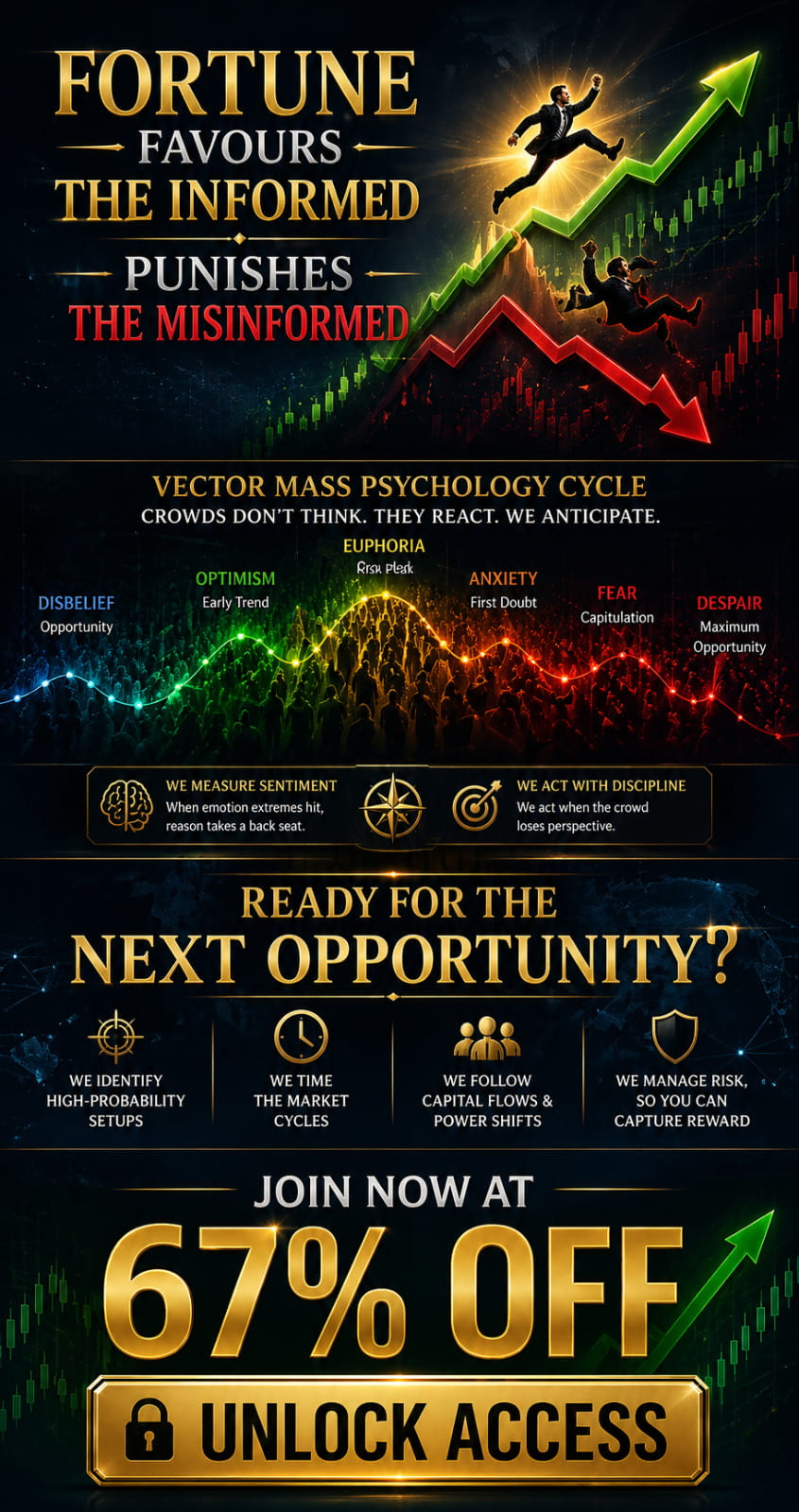
When the market crashes and everyone’s selling in panic, logical thinkers are calculating entry points. When euphoria hits and taxi drivers start giving stock tips, logical thinkers are quietly taking profits. This isn’t magic—it’s the disciplined application of reason over emotion.
The structured approach of logical thinking forces you to define the real problem, not the one your emotions invented. It forces you to gather actual data, not anecdotes from your brother-in-law. It forces you to analyse alternatives—all of them, not just the ones you already like—and evaluate outcomes based on probability, not wishful thinking.
Problem-Solving: The Art of Not Being a Victim
Problems are just opportunities wearing ugly masks. But most people are too busy complaining to notice. They attack symptoms while the disease spreads, wonder why nothing changes, then blame bad luck or unfair circumstances.
Logical thinking flips the script. Instead of asking “Why me?” you ask “What’s really happening here?” You trace problems back to their roots like a detective following a money trail. You don’t slap band-aids on bullet wounds—you find the shooter.
The “5 Whys” technique isn’t just some corporate buzzword—it’s a scalpel for cutting through layers of BS until the truth is exposed. Revenue down? Why? Sales decreased. Why? Customer complaints increased. Why? Product quality dropped. Why? The supplier changed materials. Why? You chose the cheapest option without proper vetting. Boom—there’s your real problem.
Mental Frameworks: Your Cognitive Arsenal
Raw intelligence without frameworks is like having a Ferrari engine in a shopping cart. You need structure to channel that horsepower effectively. Here are the weapons in your logical thinking arsenal:
The Scientific Method isn’t just for lab coats—it’s for anyone who wants to stop guessing and start knowing. Observe the problem, form hypotheses, gather data, analyse ruthlessly, decide based on evidence, then monitor and adjust. That’s how you turn speculation into strategy.
Decision Trees map the battlefield before you charge in. They force you to consider multiple paths and their consequences, not just the one that looks shiniest. When you can see the whole board, you stop being a pawn and start playing like a grandmaster.
SWOT Analysis strips away the feel-good nonsense and shows you reality in high definition. What are your actual strengths—not the ones you wish you had? What weaknesses are you pretending don’t exist? What opportunities are you missing while you’re busy with busywork? What threats are you ignoring because they’re uncomfortable to face?
The Compound Effect of Clear Thinking
Here’s what the self-help gurus won’t tell you: Logical thinking compounds like interest. Each good decision builds on the last, creating exponential returns over time. While emotional thinkers ride the roller coaster of random outcomes, logical thinkers climb a stairway to inevitable progress.
Better decisions lead to better outcomes. Better outcomes create better opportunities. Better opportunities enable bigger decisions. It’s a virtuous cycle that turns average people into exceptional performers.
But it requires discipline. It requires saying no to impulses, questioning assumptions, and accepting that your feelings are often your worst advisor. It requires admitting that most of what you “know” is really what you assume—and most assumptions are sloppy, lazy, or flat-out wrong.
The Price of Ignoring Logic
Every day you operate without logical thinking skills, you’re paying a hidden tax. It’s in the bad investments you make, the opportunities you miss, the problems you can’t solve, and the patterns you can’t see. This tax compounds too, but in reverse, creating a death spiral of poor decisions and worse outcomes.
The market doesn’t care about your feelings. Reality doesn’t bend to your wishes. And your competition sure as hell isn’t waiting for you to figure this out. They’re sharpening their logical thinking skills while you’re still trusting your gut.
The choice is binary: Master logical thinking or remain a victim of your own cognitive limitations. There’s no participation trophy for trying. You either develop these skills or watch others eat your lunch.
Your Next Move: Stop Thinking Like the Masses
The masses are always wrong at the worst possible times. They buy at peaks and sell at bottoms. They chase trends after the move is over and miss opportunities while they’re still forming. They let emotion drive decisions and then wonder why they keep getting emotional results.
You have a choice. You can keep letting your primitive brain call the shots, or you can develop the logical thinking skills that separate predators from prey in every arena of life.
The tools are here. The frameworks are proven. The only question is whether you’re ready to stop being a passenger in your own life and start driving with precision and purpose.
Ready to transform your decision-making and start thinking like the 1% who consistently win? – Subscribe to our Tactical Investor newsletter for weekly insights that cut through the noise and deliver pure strategic advantage. Stop letting your emotions sabotage your success—start thinking like a winner today.