

The Crowd Notices the Hit. The Pattern Reveals the Trend.
June 19, 2026
Most people focus on the wrong number.
They see a video suddenly pull in 40,000 or 50,000 views and immediately assume that is the story. It is not. The story is usually hidden somewhere else.
A single successful video can be luck. A favorable algorithm push can be luck. Even a viral moment can be luck. What deserves attention is not the spike but what happens after the spike.
Consider a channel that spent years drifting sideways.
Videos struggled to generate meaningful traffic. Subscriber growth was slow. Content accumulated, but the audience barely moved. Then something changes.
A handful of videos begin attracting attention. Subscriber growth accelerates. Watch time increases. Older videos start receiving traffic again. New viewers move from one piece of content to another rather than disappearing after a single view.
That is when the situation becomes interesting.
The crowd tends to notice the breakout video because it is visible. The more important development is that other videos begin receiving attention. That suggests the audience is no longer responding to a single piece of content. They are responding to the underlying theme.
This is how compounding begins.
Many creators spend years searching for a viral hit while ignoring the more important objective. The goal is not simply attracting viewers. The goal is creating a pathway that encourages viewers to remain inside the ecosystem.
A viewer watches one video.
Then another.
Then a third.
Eventually they subscribe.
That sequence matters because sustainable growth rarely comes from isolated success. It comes from interconnected success.
The same principle appears in markets.
People often become fascinated by dramatic price movements while ignoring the trend underneath. A stock that doubles in a month attracts attention. A company that quietly compounds earnings, expands market share, and improves profitability for years creates wealth.
The visible event captures attention.
The underlying process creates the result.
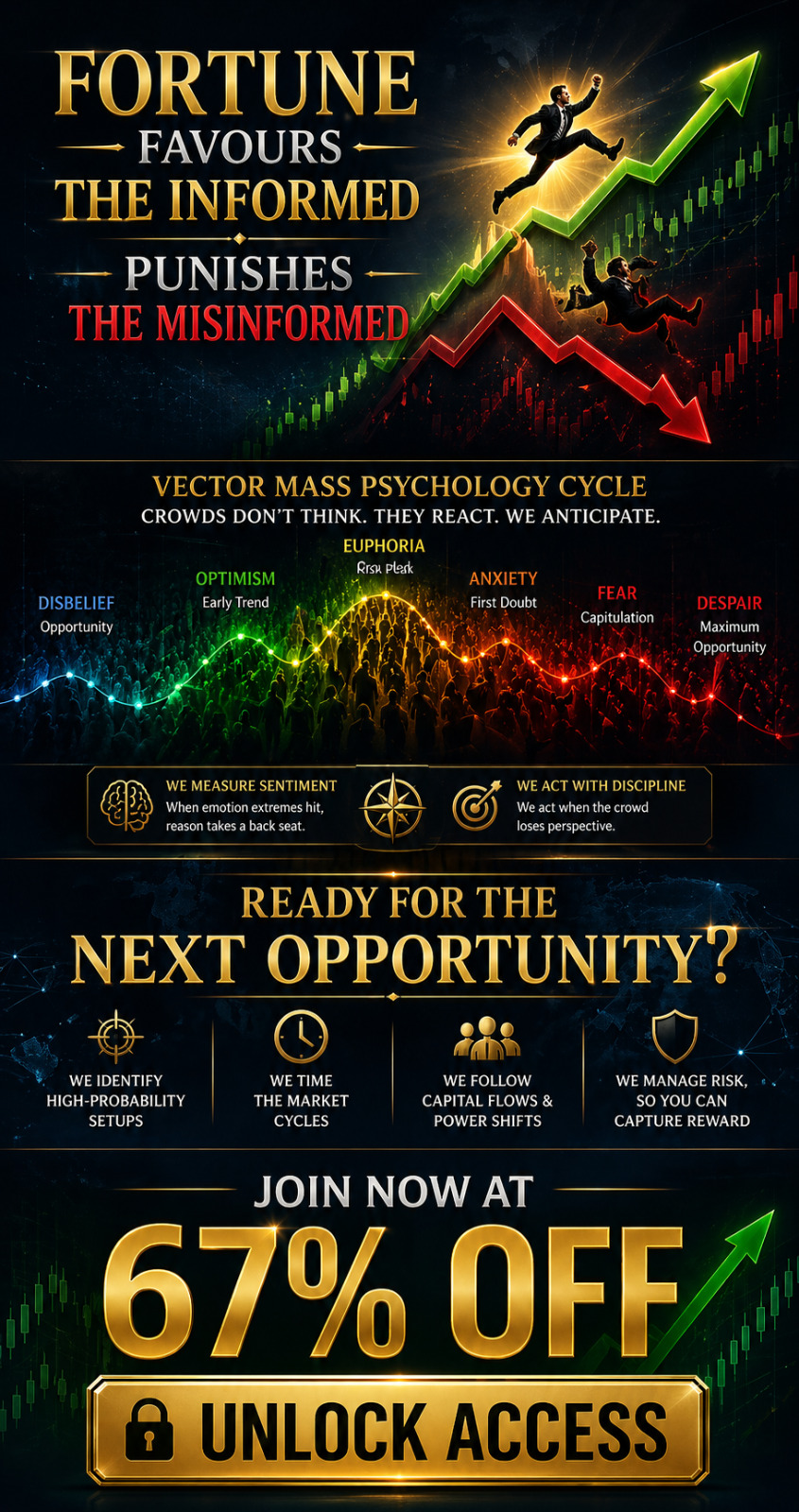
Human behavior follows the same pattern. Fear, greed, impatience, persistence, discipline, and emotional control have repeated throughout every major financial cycle. The emotions driving speculation in 1929 were not fundamentally different from those driving speculation in 2000, 2008, 2020, or 2022.
The technology changes.
The psychology remains remarkably consistent.
This is why content focused on human behavior often has a longer shelf life than content focused on prediction.
Predictions expire. Behavioral patterns rarely do.
A prediction tied to a specific market event may become irrelevant within weeks. A lesson about fear, patience, discipline, or crowd psychology can remain relevant for decades because those forces continue influencing human decisions regardless of the era.
The channels that endure usually discover this distinction.
Many compete by delivering information.
Far fewer compete by delivering interpretation.
Information becomes outdated. Human behavior continues repeating.
That is where the real opportunity often sits.
The strongest sign of growth is not a single successful video.
It is evidence that viewers are beginning to recognize a larger pattern. Once that happens, traffic starts flowing across multiple pieces of content rather than concentrating in one location.
At that point the creator is no longer building individual videos.
They are building an ecosystem.
And ecosystems tend to compound long after individual events fade from memory.