
The Seduction of Belonging: Herd Mentality Investing and the Price of Faith
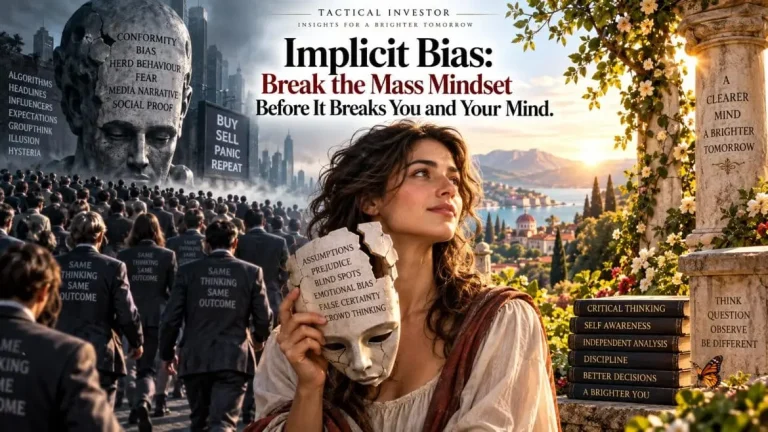
Humans submit because belonging feels safer than solitude. Abandon the fund, and you hunt for answers, manage risk, own losses. Sit in the pew, light the candle, believe—it is easier. The irony is merciless: surrender feels virtuous, while the one who exits and outperforms is a selfish apostate. Herd mentality investing maintains conformity, not wealth. Sacrifice preserves the group, not your portfolio.
The truth is in the charts: moving averages, RSI, volume clusters—they’re not just tools, they’re mirrors of human emotion. The priesthood capitalizes on them. When everyone “stays the course,” the market’s technical signals reinforce the illusion of correctness. Herd behavior becomes self-fulfilling until it breaks. And when it breaks, the faithful hold the bag.
Historical Receipts: When the Herd Walked Into Fire
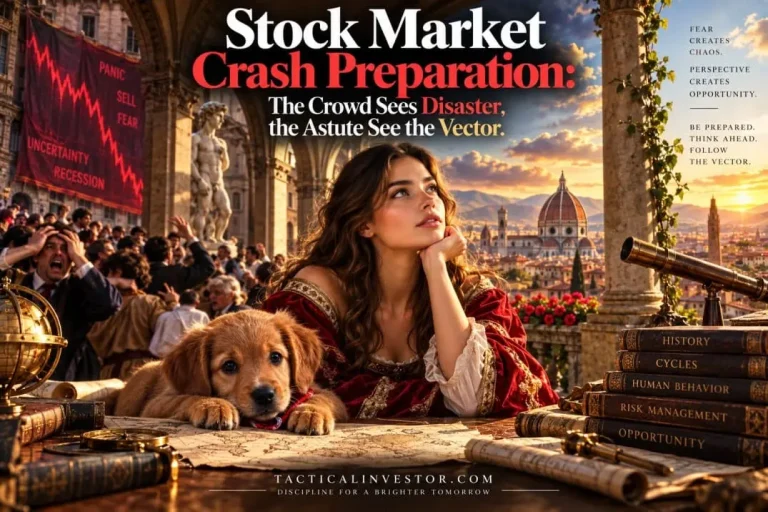
Herd mentality investing has a body count. In 2000–02, tech fund holders rode the NASDAQ down 78%. Moving averages kept saying “it’s a dip” until it was a crater. Contrarians who sold on RSI divergences—price making new highs while momentum weakened—preserved capital. The crowd called them cowards. The crowd lost everything.
In 2008–09, S&P 500 index funds lost over 50%. Traders who read credit spreads widening and breadth collapsing exited before the cascade. But herd mentality investing demands faith: “Don’t time the market. Stay invested. It always comes back.” It did come back—five years later, after wealth was destroyed and compounding years were lost.
2021 delivered the meme stock carnival. “Diamond hands” became a virtue signal, a badge of belonging. The crowd held through vertical collapses, convinced their faith would be rewarded. Disciplined exits on volatility spikes paid. The herd? They’re still holding bags, still calling it “long-term investing.”
2022’s tech drawdown hit passive growth fund holders with 30%+ losses. Tactical rotations to value and energy worked. But herd mentality investing doesn’t rotate—it endures. Suffering becomes proof of loyalty. Pain becomes identity.
The Charts Don’t Lie—But the Crowd Does
Technical indicators are psychological polygraphs. Moving averages lag by design; trend-followers buy tops and sell bottoms because the signal arrives after the move. RSI divergences—price hitting new highs while RSI prints lower highs—scream “exit” to anyone paying attention. The herd ignores them. Volume spikes on rallies trap late entrants; volume climaxes on selloffs mark bottoms the crowd sells into. Breadth divergence warns months before crashes: fewer stocks making new highs while indices grind up on mega-cap strength. The technical setup for 2000, 2008, and 2022 was visible to anyone not blinded by belonging.
But herd mentality investing doesn’t trade signals—it trades narratives. “The market is forward-looking.” “Fundamentals are strong.” “It’s different this time.” The charts say one thing; the crowd believes another. Faith overrides data. By the time the herd accepts reality, the contrarian has already repositioned.
The Paradox of Safety in Numbers
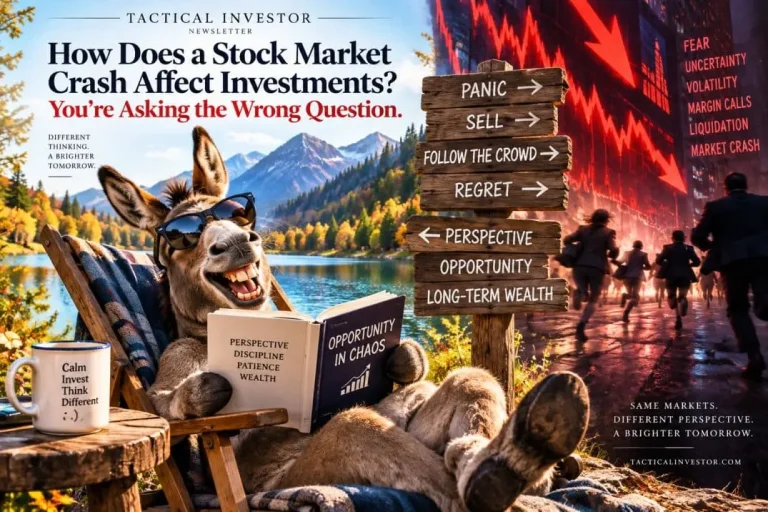
Here’s the sharpest inversion: safety in numbers is danger to capital. Crowded trades become liquidation cascades. When everyone owns the same positions, any shock triggers synchronized selling. The exit narrows; the stampede begins. Herd mentality investing promises comfort but delivers coordinated destruction.
Contrarian solitude feels reckless. Exiting early feels like betrayal. Taking profit while others hold feels selfish. But only one approach preserves wealth. “Selfish” independence compounds. “Virtuous” sacrifice transfers your money to those who exited first. The herd calls you a coward on the way down and resents you on the way back up. That resentment is the price of being right early.
The Real Cost of Belonging
The average active fund underperforms its benchmark by 1–2% annually after fees. Over 30 years, that compounds to 40–60% less wealth. You pay in dollars and opportunity cost. But there’s an emotional toll too: riding drawdowns you didn’t choose, defending losses you can’t explain, watching your future shrink while the fund manager collects fees on assets under management, not performance.
Herd mentality investing outsources your autonomy. You’re not making decisions—you’re deferring them. The comfort of “professionals manage this” costs you awareness, agility, and edge. When the cycle turns, you can’t move because you never learned to read the terrain. You wait for permission that never comes.
How They Keep You in the Pew
Fund marketing weaponizes belonging. “Stay the course.” “You can’t time the market.” “Individual investors always lose.” These slogans aren’t advice; they’re behavioral control. The narrative persists even during drawdowns: “temporary volatility,” “long-term thesis intact,” “buying opportunity.” The language is designed to keep you passive, to frame exits as panic, to make independence feel foolish.
Platforms amplify this. Social trading apps, notifications, gamification—all designed to reinforce herd behavior. You see what everyone else is buying. You feel FOMO when you’re not in. You feel shame when you exit. The machinery monetizes your need to belong. Herd mentality investing isn’t just psychology; it’s infrastructure.
The Contrarian’s Edge
Those who exited funds in 1999, 2007, and 2021 preserved capital while the herd bled. They didn’t have perfect timing—they had discipline. They built systematic strategies based on state, not story. Five dials: breadth, credit spreads, USD and real yields, volatility term structure, leadership. Act when three align. Otherwise, wait. No fund manager does this for you. No crowd gives you permission. You build the system. You execute the rules. You compound independently.
The loneliest trades are often the best. The setup no one else sees. The exit that feels early. The rotation before consensus. Herd mentality investing punishes this. But markets reward it. Soros’ reflexivity teaches that crowds create their own reality until they can’t. Shiller’s narrative economics shows how stories sustain bubbles past reason. The contrarian doesn’t fight the herd—he watches it, waits for exhaustion, then acts.
Conclusion: Faith or Autonomy
Herd mentality investing promises safety through belonging. It delivers losses through surrender. The crowd stays because leaving feels like betrayal. But your portfolio doesn’t care about loyalty. It responds to decisions, not faith. Break from the pew. Learn to read your own charts. Build your own rules. Trust the dials, not the sermon. The herd will call you selfish. Your compound returns will call you free.