
The Abyss of Fear: How Herd Mentality Shaped the Biggest Stock Market Crashes in US History
Updated Jan 16, 2026
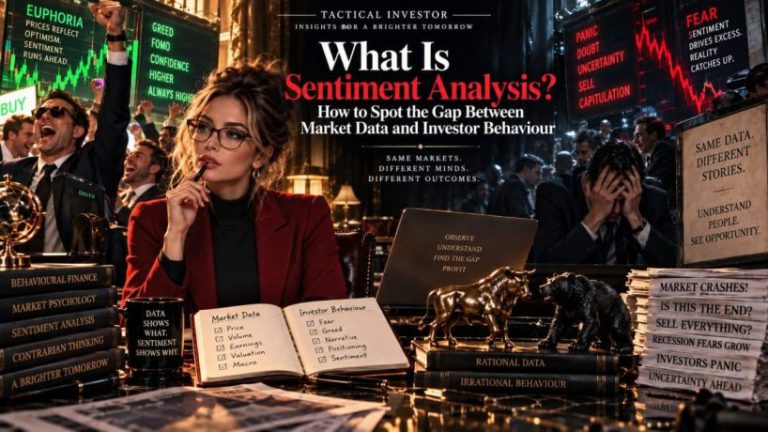
The stock market has always been less about numbers on a screen and more about the psychology of the people watching them. Its violent swings—both euphoric rallies and gut-wrenching collapses—are driven by the fragile balance between fear and greed. When fear seizes control, rationality evaporates, and entire economies buckle under the weight of collective panic. The biggest stock market crashes in US history stand as stark reminders of what happens when the herd mentality takes over. In moments of extreme volatility, logic gives way to emotional contagion, and the market stampedes like frightened animals, trampling everything in its path.
Yet, history also teaches us something else: these catastrophic moments aren’t just harbingers of doom. They are also rare opportunities. For those who can master their emotions and step outside the herd, market crashes offer a window into extraordinary wealth creation. But to exploit these opportunities, you must first understand the economic forces and psychological triggers that lie at the heart of these historic collapses.
The Psychology Behind the Collapse
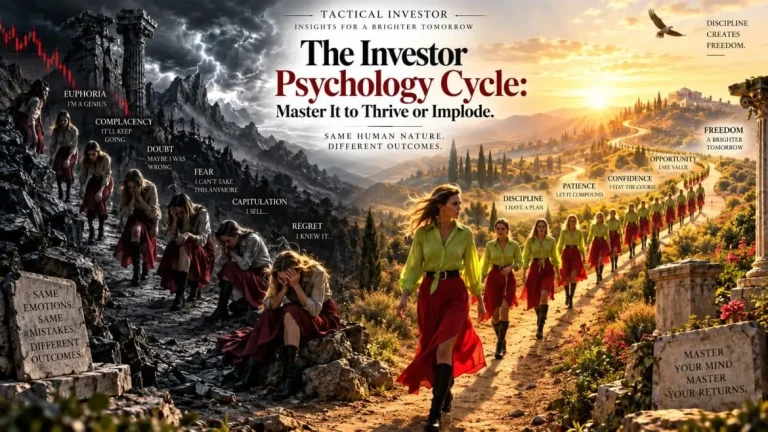
The most devastating market crashes in American history weren’t caused by a single event. They were the result of a perfect storm—economic vulnerabilities amplified by human psychology. Fear, magnified by herd behavior, has always been the accelerant. When uncertainty takes hold, investors abandon logic and succumb to emotional decision-making. This collective panic creates a vicious feedback loop: selling triggers more selling, and the market spirals downward into chaos.
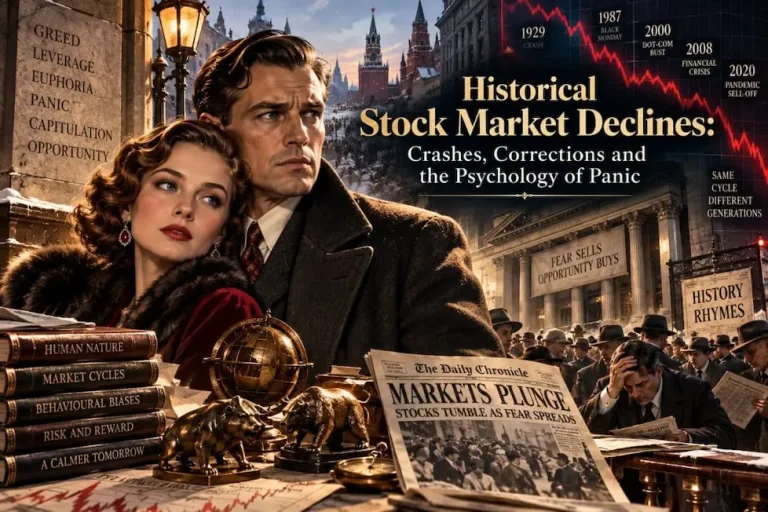
Consider the 1929 Stock Market Crash. As prices began to slip, fear spread like wildfire. Investors, terrified of further losses, rushed to liquidate their holdings, triggering a domino effect that culminated in Black Tuesday. The psychological phenomenon of “loss aversion” was on full display—people were more afraid of losing what they had than they were optimistic about potential future gains. The result was a collapse that vaporized billions in wealth and plunged the world into the Great Depression.
This pattern has repeated itself with eerie consistency, from the Dot-com Bubble in the early 2000s to the 2008 Financial Crisis. In each case, fear-driven herd behavior took economic imbalances and turned them into full-blown disasters. Understanding these psychological roots is essential for anyone seeking to navigate—or capitalize on—future market upheavals.
The Biggest Stock Market Crashes in US History
Let’s examine the most significant market crashes in American history, their causes, and their consequences:
| Crash | Date | Key Factors | Impact |
|---|---|---|---|
| 1929 Stock Market Crash | October 1929 | Speculative bubble, over-leveraging, lack of regulation | Great Depression, 25% unemployment, GDP contraction |
| 1987 Black Monday | October 19, 1987 | Program trading, illiquidity, market overvaluation | 22.6% single-day Dow drop, global market panic |
| Dot-com Bubble | 2000-2002 | Tech overvaluation, speculative investments in internet companies | $5 trillion in losses, collapse of many tech firms |
| 2008 Financial Crisis | 2007-2008 | Subprime mortgage crisis, Lehman Brothers collapse | Global recession, $10 trillion market loss |
| COVID-19 Crash | March 2020 | Pandemic uncertainty, economic shutdowns | Fastest bear market in history, $7 trillion wiped out |
Contrarian Mastery: Turning Panic Into Profit
While market crashes bring devastation for the majority, a select few have turned these moments of chaos into extraordinary opportunities. Contrarians—those who defy the herd—understand that fear creates mispricings. Assets become undervalued due to emotional selling, not fundamental weakness. By maintaining a long-term perspective and keeping their heads cool, these investors transform panic into profit.
Warren Buffett is the archetype of contrarian investing. During the 2008 Financial Crisis, as fear paralyzed Wall Street, Buffett invested $5 billion in Goldman Sachs, securing terms that would eventually net him billions in profits. His philosophy of being “greedy when others are fearful” captures the essence of exploiting market crashes rather than fleeing from them.
Jesse Livermore, one of history’s greatest traders, exemplifies this approach from an earlier era. During the 1929 crash, while everyone else was panicking, Livermore shorted the market and walked away with $100 million (equivalent to over $1.5 billion today). He used his understanding of market psychology and economic fundamentals to anticipate the collapse and position himself advantageously.
Fear-Exploiting Strategies: Harnessing Volatility
To profit from market crashes, you must adopt strategies that harness volatility rather than fall victim to it. One powerful approach involves selling put options during periods of extreme fear. As panic sets in, implied volatility spikes, inflating option premiums. Investors who sell these options collect substantial premiums, effectively monetizing the fear itself.
During the COVID-19 crash in March 2020, for example, volatility exploded to unprecedented levels. Savvy traders who sold puts on blue-chip stocks like Apple or Microsoft locked in massive premiums, betting that these fundamentally strong companies would recover once the panic subsided. By reinvesting these premiums into long-term options or undervalued stocks, they leveraged the market’s irrational fear to generate outsized returns.
Another strategy involves identifying high-quality assets that have been unfairly punished by panic selling. During the 2008 Financial Crisis, many fundamentally sound companies saw their stock prices crater alongside weaker firms. Investors who recognized these mispricings and bought companies like Amazon or JPMorgan Chase at bargain prices were handsomely rewarded when the market eventually recovered.
Disciplined Boldness: Planning for Chaos
Market crashes present opportunities, but they also demand discipline and preparation. Emotional decision-making—whether driven by fear or greed—is a recipe for disaster. You must develop a clear plan for how you’ll respond to volatility, including predefined entry and exit points, risk management strategies, and a solid understanding of the economic factors driving the crash.
Disciplined boldness also requires emotional resilience. Markets are inherently volatile, and even the most well-reasoned strategies can take time to play out. Investors who panic at the first sign of losses often lock in unnecessary damage, missing the eventual recovery. By remaining steadfast in your convictions and following your plan, you can weather the storm and emerge stronger on the other side.
Learning From the Past, Preparing for the Future
Studying the biggest stock market crashes in US history isn’t just an academic exercise—it’s a blueprint for navigating the future. Each crash offers invaluable lessons about the psychological, economic, and systemic dynamics that drive markets. By internalizing these lessons, you can prepare yourself for the next inevitable downturn, turning fear into opportunity and chaos into profit.
The key is perspective. Market crashes are not the end of the world—they are temporary disruptions in a long-term upward trajectory. Investors who understand this, who refuse to be swayed by herd mentality, and who embrace the opportunities hidden within the chaos will find themselves empowered, not paralyzed, by fear. As Warren Buffett put it: “Opportunities come infrequently. When it rains gold, put out the bucket, not the thimble.”
Escape the herd. Embrace the chaos. Master the markets—and yourself.