
Essential Sourdough: Timing, Patience, and the Art of Balance
Updated Aug 26, 2025
Sourdough is a conversation with time—a quiet chemistry of flour and water animated by a living culture. It isn’t instant or rigid. It asks you to mix, rest, fold, and wait, to watch the dough swell and relax as structure develops. The texture shifts under your hands, proof that the ecosystem you’ve nurtured is alive and responding.
The rhythm mirrors an investor’s dilemma: reading the market’s pulse, weighing risk against reward, and committing to a process you can guide but never fully control. Success comes from disciplined timing—knowing when to act, when to hold, and when to let compounding do the work.
Everything begins with the starter—a wild community of yeast and bacteria cultivated over days or weeks. That’s your capital base. Feed it regularly and it strengthens; starve it and it falters. Portfolios behave the same way. They need care and periodic adjustment—contributions, pruning, and rebalancing—to weather unseen currents and stay aligned with your goals.
In the kitchen, bulk fermentation and careful folds build structure; in markets, steady contributions and scheduled rebalancing build resilience. In both crafts, timing isn’t about perfection—it’s about respect for cycles, patient iteration, and the humility to adapt as conditions change.
Actual Sourdough Bread Recipe
Ingredients (Your Capital Allocation):
• 500g bread flour (core equity positions)
• 350g water (liquidity)
• 100g active sourdough starter (your working capital)
• 10g salt (risk seasoning)
Instructions
1. Mix the starter, water, and flour in a large bowl. Cover and let it rest for 30–45 minutes (autolyse phase = market accumulation).
2. Add salt, mix thoroughly, and cover again.
3. Bulk Fermentation: Let the dough rest at room temp for 4–5 hours. Every 30–45 minutes, perform a set of stretch and folds (like technical rebalancing).
4. Shape the Dough: Gently shape it into a round or oval. Place in a floured proofing basket.
5. Cold Proof: Cover and refrigerate overnight (8–12 hours). This slow proof builds structure—just like compounding.
6. Bake:
◦ Preheat oven with Dutch oven inside to 475°F (245°C).
◦ Turn dough onto parchment, score it with a sharp blade.
◦ Bake covered for 20 minutes, then uncovered for another 25–30 minutes until crust is deep golden.
7. Cool Completely: Let it cool on a rack for at least an hour before slicing (the patience test—don’t rush it).
The Rhythm of Rise and Fall
Like a sourdough starter bubbling quietly in its jar, market sentiment ebbs and flows—sometimes buoyant, sometimes sluggish. Folding the dough is akin to managing risk: you strengthen the structure without rushing the process. Too much interference, and the dough collapses; too little, and it loses form.
Investors face cognitive traps here—impatience, overconfidence, the urge to “fix” what is not broken. Technical analysis offers signals—rises and pullbacks in price akin to the dough’s fermentation cycle. Vector thinking helps see market moves as multidimensional patterns, not linear ups and downs.
The Discipline of Temperature and Time
Baking sourdough demands respecting temperature and timing. A too-hot oven kills the yeast; too cool, and the loaf never achieves its crusty glory. The timer is your discipline—know when to act, when to wait, when to pull back.
Mass psychology plays out as crowds chase trends, often baking in “too hot” conditions—herd behaviour turning bubbles into burns. The experienced investor learns to sense when the market is under or overcooked, balancing emotion with strategy.
Feeding the Starter: Compounding Patience
Regularly feeding your starter is a lesson in compounding—not just growth but resilience. It’s a slow buildup of strength, echoing how reinvesting dividends and consistently adding to positions grows wealth over time. Each feeding is a choice to stay engaged, not to chase quick gains but to build a base that will rise reliably, no matter the short-term volatility.
The Slice of Truth
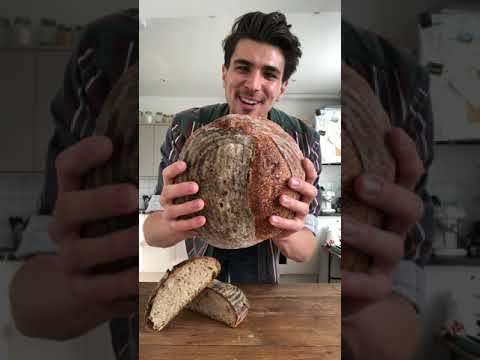
When you finally slice into a loaf, the crumb reveals the truth of your process: open and airy if patient; dense and flat if rushed. The crust crackles—a payoff for your discipline and timing.
Markets reveal themselves similarly. The final return, the realised gain, is shaped by countless subtle decisions, by emotional control, by strategic patience. The slice is the sum of every fold, every rise, every moment you resisted impulsive moves.
Conclusion: The Art of Essential Baking and Investing
Sourdough baking, like portfolio balancing, isn’t a race—it’s a ritual. A slow conjuring of structure from chaos, flavor from fermentation, conviction from waiting. Each fold in the dough mirrors a moment of doubt in the market—handled right, it strengthens the core.
The market’s wild yeast is crowd emotion—irrational, contagious, deeply human. Left unchecked, it consumes reason. But when tempered by discipline, it becomes a catalyst for transformation. Investors, like bakers, must read the signs: overproof and you lose tension; act on panic, and you lose your edge.
This is the craft: not resisting volatility, but using it. Not timing the market, but understanding the rhythm of its rise and collapse. Essential baking sourdough bread reminds us: the greatest gains don’t come from force—they rise slowly, invisibly, until one day… they’re undeniable.
You’re no longer reacting when you break bread aligned with that deeper pulse—market or kitchen.
– You’re anticipating.
– You’re shaping chaos into something enduring.
– That’s not just success.
– That’s mastery.