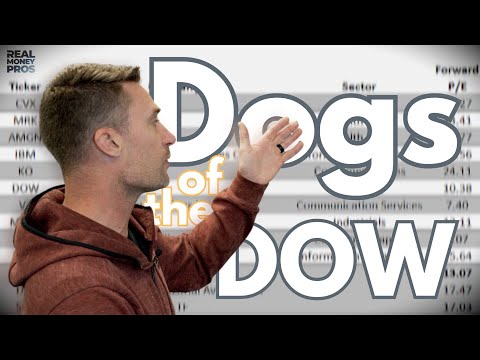
The Dogs Barking at the Market Gates
Updated Jan 23, 2026
Ever notice how some investors manage to profit handsomely using the simplest strategies during complete market chaos, while others chase hyped-up trends and end up licking their wounds? The 2025 Dogs of the Dow strategy stands out precisely because of its elegant simplicity: identify the ten highest-yielding Dow Jones stocks at year’s start, buy them, hold for twelve months, then rebalance when the calendar flips. This approach has attracted loyal followers through decades of wild market swings, bull runs, and crashes alike. The premise taps into a compelling assumption—solid dividend payers that have temporarily fallen from grace often deliver superior returns once they recover.
But is it really that straightforward? Critics argue the Dogs playbook leans too heavily on chance. Supporters counter that it aligns perfectly with the timeless investment principle of buying undervalued quality. Meanwhile, the strategy’s success stories are woven through with lessons from mass psychology, behavioral finance, and technical analysis. A strategy’s real potential gets shaped not just by dividend yield spreadsheets but by the mental gymnastics investors perform when markets whipsaw between paralyzing fear and manic euphoria. Those who panic-sell at the first hint of trouble usually regret it. So do those who cling stubbornly during extreme peaks, missing their chance to lock in gains.
Think back to 2008 or the dot-com implosion. These disasters hammered portfolios across the board. Trust in once-bulletproof companies evaporated overnight. People scrambled to dump their holdings, convinced they’d never recover. Yet those who had the nerve to buy during those bleak moments often rode the next wave to substantial profits. The lesson? Crowd timing is usually disastrous, while discipline mixed with contrarian thinking can uncover genuine bargains. On the flip side, unbridled euphoria when certain shares rally beyond all logic leaves latecomers vulnerable to brutal reversals. The 2025 Dogs of the Dow navigate this treacherous environment, which raises the question: can this dividend-focused approach become your secret weapon? Or does it demand additional layers of self-awareness and analysis to truly work?
The sections ahead aim to demonstrate that stock market success isn’t just about picking the right tickers. It’s about understanding how group behavior, emotional triggers, and technical signals interact—sometimes confounding logic, sometimes creating extraordinary opportunities. By examining the Dogs of the Dow, we can extract lessons about mass sentiment’s subtle currents, the importance of carefully timed trades, and the critical balance between data analysis and self-discipline.
Dogs of the Dow: What 2025 Brings to the Table
As we move through 2026, questions about the Dogs approach’s continued relevance persist. Born from a tradition reaching back to the 1990s, this formula spotlights the highest-yield stocks within the Dow Jones Industrial Average. The logic holds that yields surge when share prices lag, yet many of these companies remain industry leaders in established sectors. Dividends typically stay stable or even grow if the underlying business models remain sound. When sentiment eventually shifts, stock price rebounds can be swift and substantial.
Still, skeptics argue that 2025’s market operates differently than ever before, with technological disruption and environmental shifts challenging traditional definitions of “blue chip” status. They point to upheavals in energy and retail, noting that big-name companies can fall from favor for fundamental reasons, not just temporary sentiment shifts. Defenders respond that such doubts have surrounded the Dow for years, yet the Dogs strategy has persisted by exploiting the index’s tendency to rotate out underperformers and bring in new leaders when needed. Even so, blind faith in any single method is dangerous. Markets are unpredictable creatures, and surprises are eternal features of this game.
Behavioral finance concerns emerge when investors fixate on certain “dogs” purely because of brand recognition, ignoring actual risk factors. Or they might assume a beaten-down stock automatically represents a bargain without considering deeper issues like mounting debt or seismic industry shifts. When everyone chases the same list of battered dividend payers, the bargain factor can evaporate quickly. The contrarian edge vanishes, replaced by a stampede driving valuations to inflated levels. This is why any formula, even a beloved one, benefits from constant vigilance regarding actual business fundamentals and market signals.
The year 2025 brought its own unique headlines: shifts in global monetary policy, debates over energy transitions, and breakthrough innovations in communications technology. These realities influence the Dow in unexpected ways, crushing one stock while catapulting another to record highs. Dividend yield alone can’t capture these complex dynamics. This underscores a crucial point: a strategy like the Dogs must be constantly measured against unfolding events to remain valuable. Those who combine fundamental analysis with awareness of how crowds react to news—both good and bad—stand the best chance of fine-tuning their entry and exit timing.

Fear and Euphoria: The Twin Engines of Market Swings
No matter how mechanical a strategy appears, it can’t escape the gravitational pull of human emotion. When conditions deteriorate, panic selling erupts. When times are euphoric, greed takes the wheel. Both extremes nudge investors away from rational decisions. The 2025 Dogs of the Dow don’t magically sidestep this pattern because mass psychology influences these dividend payers just as much as any other stocks. When widespread panic engulfs a company, its share price can plunge far more steeply than fundamentals would justify. Suddenly it becomes even more attractive on a yield basis—but only if the dividend survives intact.
Behavioral finance demonstrates that fear strikes faster than reason. Investors watch their portfolio values crater and rush to hit the sell button, convinced worse is coming. The 2008 housing crisis showed how rapidly consumer confidence can unravel. Leading banks that seemed invincible collapsed under the weight of toxic mortgage-backed securities. Nervous investors sold in waves, locking in devastating losses. Yet disciplined buyers who had studied the underlying strength of certain institutions scooped up shares at bargain prices. Over time, many of those purchases turned into spectacular wins.
On the opposite end, bull markets fan the flames of euphoria. When everything climbs, talk of caution sounds boring. People watch their soaring gains and forget that corrections are natural market features. The late 1990s dot-com frenzy saw questionable internet startups achieve stratospheric valuations. Many investors simply assumed the party would continue indefinitely. It didn’t. When the music stopped, those who had neglected to verify actual fundamentals got badly burned. The broader lesson? Emotion can blindside us whether times are good or bad. Recognizing greed and fear as recurring cycles helps resist the impulse to join manic buying or panicked selling.
For the Dogs strategy, fear might cause investors to abandon the approach prematurely—perhaps a stock’s price keeps sliding and the dividend looks shaky. Or euphoria might encourage overloading on an excessively popular name whose fundamentals are quietly eroding. Neither scenario fits the original premise of buying solid yet undervalued shares. The psychological dimension of investing remains crucial, even for a method claiming to operate on a simple formula.
Behavioral Finance: Guarding Against Herd Thinking
Herd behavior has repeatedly proven itself a powerful force capable of launching markets sky-high or dispatching them into the basement. The mechanism is straightforward: when large numbers move in the same direction, momentum amplifies, creating feedback loops. The Dogs of the Dow sometimes become targets for herd mania too. Once various publications start praising 2025’s highest-yielding Dow stocks, investors flood in indiscriminately, ignoring critical measures like dividend coverage or actual business performance. This feeding frenzy can completely distort the premise of identifying genuine bargains.
A contrarian mindset seeks to avoid or even profit from such stampedes. Those with the courage to sell when everyone else remains convinced of eternal upward trajectory can lock in handsome profits before downturns hit. Studying mass behavior reveals that euphoria peaks often arrive precisely when mainstream commentary declares the uptrend unbreakable. Once sentiment cracks, the narrative shifts violently from selectively dumping weaker names to indiscriminately selling everything. Herds pivot from optimism to despair, and many scramble to exit simultaneously.
This is where technical analysis tools provide additional clarity. Consider signals like overbought or oversold levels. The relative strength index might reveal an extreme reading for a particular Dog of the Dow. Charts might show a clean upward channel suddenly broken by massive selling volume. These indicators can serve as red flags that the herd’s optimism is waning, even when official headlines remain upbeat. Alternatively, they can reveal that a beaten-down dividend stock is showing signs of stabilization, potentially ready for a rebound if selling pressure subsides.
By combining a Dogs mindset—focusing on out-of-favor but respected names—with a contrarian lens, investors can capitalize on moments when herds overreact. Maybe the broader market has hammered a reliable energy company because of short-term demand dips, pushing its yield to eye-popping levels. If fundamental data suggests the yield is sustainable, this can signal future upside. The challenge lies in mustering the emotional discipline to act when headlines are bleak. Herd thinking powerfully drags on rational judgment, making it easy to forget that what seems doomed today could bounce back tomorrow. Emotions rarely offer reliable guidance during market stress.
Technical Analysis: Adding Precision to Dogs of the Dow
While picking high-yielding shares carries inherent appeal, subtle clues in charts can either reinforce or contradict those dividend-based decisions. Basic indicators like support and resistance, moving averages, and volume patterns help filter which stocks might be poised for turnarounds and which may remain stuck. A classic example is the “false breakout.” You might see a battered stock—even one of the 2025 Dogs—attempting to push above a key resistance level, only to lose steam when volume fails to confirm the move. In such cases, patience can prevent jumping into a trade that flops within days.
Support levels offer equally valuable insights. When a particular high-yield name keeps bouncing near the same price floor, it suggests sellers have finally lost the upper hand. If volume picks up on small price increases, that can signal renewed buying enthusiasm. Technical analysis doesn’t guarantee success, but it can sharpen timing significantly. Instead of blindly buying on January 1st, waiting for certain confirming signals might reduce the risk of holding a depreciating asset. This proves especially valuable when the broader market stands on shaky ground.
Consider the 2008 meltdown again. Some astute investors used downward-trending moving averages to avoid catching falling knives. They entered positions only after seeing evidence that momentum had genuinely shifted. Such caution helped them secure better prices, even if they missed the absolute lowest lows. Emotional impulses create rushes to “catch the bottom,” but technical signals remind us that genuine turns typically show up in charts first. Combining such signals with the Dogs approach—focusing on stable dividend payers—can bolster confidence when pulling the trigger on a historically battered stock.
These tools also warn about overstretched conditions. When a Dog experiences a meteoric rise, perhaps because new investors sense easy dividend income, the relative strength index may shoot above typical thresholds. Seasoned traders recognize that bubbles pop once crowd euphoria fades. Selling part of a holding in such moments can preserve gains that often evaporate when markets suddenly reverse. There’s nothing more painful than watching paper profits vanish because you believed the rally would never end. Technical analysis prompts timely exits, which can be just as critical as well-timed entries.
Mental Fortitude and Perfect Execution
Spreadsheets and formulas look elegant on paper, but markets can turn vicious in real life. The 2025 Dogs of the Dow, like any approach, demand tenacity and willingness to examine your own thoughts during moments of doubt. There’s no shortage of brilliant strategies that crumble when fear clouds judgment or greed silences caution. Mass psychology can push a favorite Dow component to extremes—both upward and downward. Successful investors consistently highlight self-awareness as crucial in resisting the disastrous tendency to buy high and sell low.
One helpful practice involves planning trades in advance. If you know the yield thresholds or price levels you find acceptable, you can set limit orders to enter positions. This reduces emotional influence when markets disguise rational signals beneath heated sentiment. Stop losses or trailing stops can also be established beforehand, ensuring exits if stocks plunge too far. While no plan is immune to sudden gaps or unprecedented events, having structure can prevent acting purely out of panic. Times of chaos are precisely when discipline makes all the difference.
Securing profits during euphoric peaks is another habit that can shield wealth. It runs contrary to the gambler’s thrill of clinging to a rocket stock, hoping it will climb forever. Yet countless fortunes have vanished by ignoring the old principle: “Buy low, sell high.” Extreme bull runs often end right after public euphoria saturates financial news. Yes, selling takes courage since you might miss additional upward movement. But taking partial profits can balance portfolios, free up capital for future bargains, and reduce correction pain.
Finally, the real skill behind the Dogs of the Dow or any strategy lies not merely in raw data analysis but in recognizing how human attitudes swing from fear to mania. Just as crowds can unjustly punish companies with strong fundamentals, they can inflate poor-quality names to absurd heights. Different market phases demand different mindsets. Sometimes opportunity lies in scooping oversold shares at bargain prices. Other times it lies in locking in gains when optimism reaches impractical extremes. The best strategies, tested over decades, tend to revolve around quiet patience and the courage to go against crowds when warranted.
2025 and Beyond: Cultivating a Steady Hand
The Dogs approach endures because it taps into a core principle: pick stable, dividend-paying companies temporarily out of favor. Yet success with it—or any model—depends on the investor’s ability to navigate emotional swings. Understanding crowd behavior proves indispensable when deciding whether to buy on dreary days or take profits on blindingly sunny ones. The 2008 crisis and dot-com collapse remain cautionary tales of how groupthink can inflate or destroy fortunes in short order. They also highlight that contrarians who hold their nerve often emerge much stronger once dust settles.
As 2026 unfolds, expect the Dogs and their watchers to face fresh trials: rising interest rates could shift capital away from stocks, or emerging industries might challenge the Dow’s dominant players. The best investors won’t simply rely on old patterns or assume dividend yields alone solve every problem. Instead, they’ll remain alert, ready to read technical signals and weigh mass sentiment. They’ll look for times when everyone else has swung too far in one direction. That steady hand might be the difference between panic selling at the worst moment and calmly adding to positions in strong companies.
Opportunistic selling can’t be overlooked either. People sometimes get swept up believing a delayed Dow stock—especially one with a high yield—will rally to the moon. It may rally substantially, but even the best runs eventually need breathers. Selling some shares near peaks can keep winnings safe. Investors who manage to combine discipline, contrarian thinking, and a basic approach like the Dogs strategy can stack the odds in their favor over multi-year horizons. The key is not treating any formula as a magic button.
In the end, stock market wisdom stems from acknowledging that success demands managing more than just numbers. The art lies in resisting waves of group emotion, implementing level-headed plans, and adjusting based on real signals rather than knee-jerk impulses. The 2025 Dogs of the Dow might offer a convenient starting point, but their real effectiveness depends on how you handle mass psychology, fear, and euphoria. If you can master internal battles and stand ready to act when others cower or overreach, you might find that the Dogs keep barking up profitable trees long after passing financial fads have faded away.