Meme Stocks List: Hype In, Capital Out, Lesson Learned
Jul 30, 2025
Welcome to the coliseum, where dreams go to die and delusion feeds on itself like an ouroboros of greed. The meme stock phenomenon isn’t just a market anomaly—it’s a mass psychological experiment where the lab rats pay for their maze. Every ticker is a trap, every surge a siren song, and every crash a masterclass in how crowds create their executioners.
GameStop (GME): The Original Sin
In January 2021, GameStop wasn’t just a stock—it was a religion. The scripture was simple: squeeze the shorts, stick it to the suits, diamond hands to Valhalla. What started as a legitimate thesis on r/WallStreetBets morphed into something darker: a collective delusion where mathematical reality bent to the will of emojis and rocket ships.
The believers saw David versus Goliath. What they missed was that Goliath had derivatives, dark pools, and the ability to change the rules mid-game. When Robinhood pulled the buy button—that beautiful moment of naked capitalism—the crowd finally understood: the casino always has a trap door. Some early apostles made millions. The late converts? They’re still waiting for the second coming, holding shares like relics of a failed revolution.
The psychological autopsy reveals classic Mackay: “Men, it has been well said, think in herds; it will be seen that they go mad in herds, while they only recover their senses slowly, one by one.” GameStop proved that in the digital age, the herd doesn’t just stampede—it livestreams its trampling.
AMC Entertainment (AMC): The Popcorn Prophecy
If GameStop was the revolution, AMC was the People’s Republic of FOMO. Here was a company haemorrhaging cash, its theatres ghostly pandemic tombs, yet the crowd saw opportunity in the obituary. The CEO, a Sun Tzu disciple in disguise, watched the madness and did what any strategic genius would do: he printed shares into the feeding frenzy.
The “apes” thought they were building a movement. They were funding executive bonuses and debt payments. The beautiful irony? They cheered as the company diluted them, mistaking their exploitation for empowerment. Each spike was followed by insider selling so precise it could have been choreographed. The crowd’s response? “HODL harder!”
AMC became a masterclass in Taleb’s antifragility—not for the shareholders, but for the company itself. It fed on volatility, growing stronger as its stock price became increasingly detached from reality. The retail traders? They were the fragile ones, their portfolios shattering with each orchestrated pump-and-dump.
Bed Bath & Beyond (BBBY): Retail’s Death Rattle
This wasn’t investing; it was necromancy. BBBY was a corpse the meme crowd tried to animate with hashtags and hopium. The company was circling the drain, its 20% off coupons now metaphors for its stock price trajectory. Yet the crowd saw patterns in the static, hidden messages in the bankruptcy filings.
The psychology here was exquisite in its darkness. Mackay would have marvelled at how modern crowds create mythology from spreadsheets. Every executive departure became bullish. Every store closure was “strategic.” Even bankruptcy itself was reimagined as a phoenix rising from the ashes. The crowd had transcended mere delusion—they’d achieved financial psychosis.
The end came not with a bang but with a delisting. The true believers, still clutching their shares like lottery tickets to a drawing that already happened, learned the hardest lesson: sometimes, death is just dead. No amount of collective belief can reanimate a corpse, though it can certainly empty your wallet trying.
BlackBerry (BB): Nostalgia’s Expensive Embrace
BlackBerry’s meme moment was pure psychological archaeology—a crowd trying to excavate value from their collective memory of 2008. Remember when Obama had one? Remember BBM? The stock became a time machine fueled by false hope and real money.
The setup was perfect meme bait: former tech giant, pivoted to cybersecurity, mysterious patents. The crowd connected dots that formed a constellation visible only to the desperate. Every minor contract became validation. Every earnings miss was a manipulation. The stock would spike on vapour and crash on reality, a volatile EKG of a market having a nostalgia seizure.
What Sun Tzu understood—and the BB believers didn’t—was that yesterday’s strength is today’s weakness. The market doesn’t care about your memories. It feeds on them.
Nokia (NOK): The Immortal Brick
Nokia entered the meme pantheon through sheer algorithmic accident—bots and newbies confusing it with other “short squeeze” targets. No matter. The crowd retroactively invented reasons: 5G potential, moon contracts, the durability of their old phones somehow translating to stock resilience.
The Finnish company watched, bemused, as American retail traders bid up their stock based on phones that hadn’t been relevant since the Bush presidency. The irony was delicious: a company that survived the smartphone revolution was now being pumped by smartphones into a valuation bubble. Every rational analyst’s protest was drowned out by rocket emojis and “DD” that read like conspiracy theories.
Palantir (PLTR): The Surveillance Lottery
Palantir was different—a bona fide company with real contracts and a questionable valuation. The meme crowd loved the mystery, the Tolkien reference, and the idea they were buying into the CIA’s IT department. What they were buying was a lesson in how narrative trumps numbers until it doesn’t.
The stock became a Rorschach test for retail delusion. Bulls saw unlimited government contracts and AI dominance. Bears saw a consultancy with extra steps. The truth, as always, was less interesting than either story. But the crowd didn’t want the truth—they wanted tendies. PLTR delivered volatility dressed as value, a perfect meme stock for the QAnon-adjacent investor.
Virgin Galactic (SPCE): Icarus in Corporate Form
Nothing captured meme stock hubris quite like retail traders betting on space tourism for billionaires. SPCE was the perfect metaphor: reaching for the stars with empty pockets. Every successful test flight sent the stock soaring. Every delay sent it crashing. The crowd didn’t see the pattern—they were too busy booking their imaginary seats to space.
The Taleb lesson here was brutal: the crowd confused visibility with viability. Just because you can see the rocket doesn’t mean the business model works. But try explaining unit economics to someone who’s already planning their zero-gravity TikTok. SPCE became a graveyard of dreams, each spike a new generation of bagholders born from the ashes of the previous one.
Beyond Meat (BYND): The Impossible Dream
BYND entered meme status through sheer narrative perfection: save the planet, make money, spite the meat industry. The crowd bit hard, driving valuations that assumed every human would abandon beef tomorrow. Reality had other plans.
The psychological pattern was textbook Mackay: a legitimate trend extrapolated to absurdity. Yes, plant-based meat was growing. No, it wasn’t replacing the entire protein industry next quarter. But the crowd doesn’t do nuance. They do binary: moon or doom. BYND gave them both, repeatedly, a volatile feast that left most investors with synthetic returns to match their synthetic meat.
The Meta Warning: Your Mind Is the Ultimate Bagholder
Here’s the truth the crowd won’t admit: meme stocks aren’t about David versus Goliath. They’re about David versus David, a circular firing squad where retail traders provide liquidity for each other’s destruction. The real short squeeze is on your dopamine receptors. The real manipulation is self-inflicted.
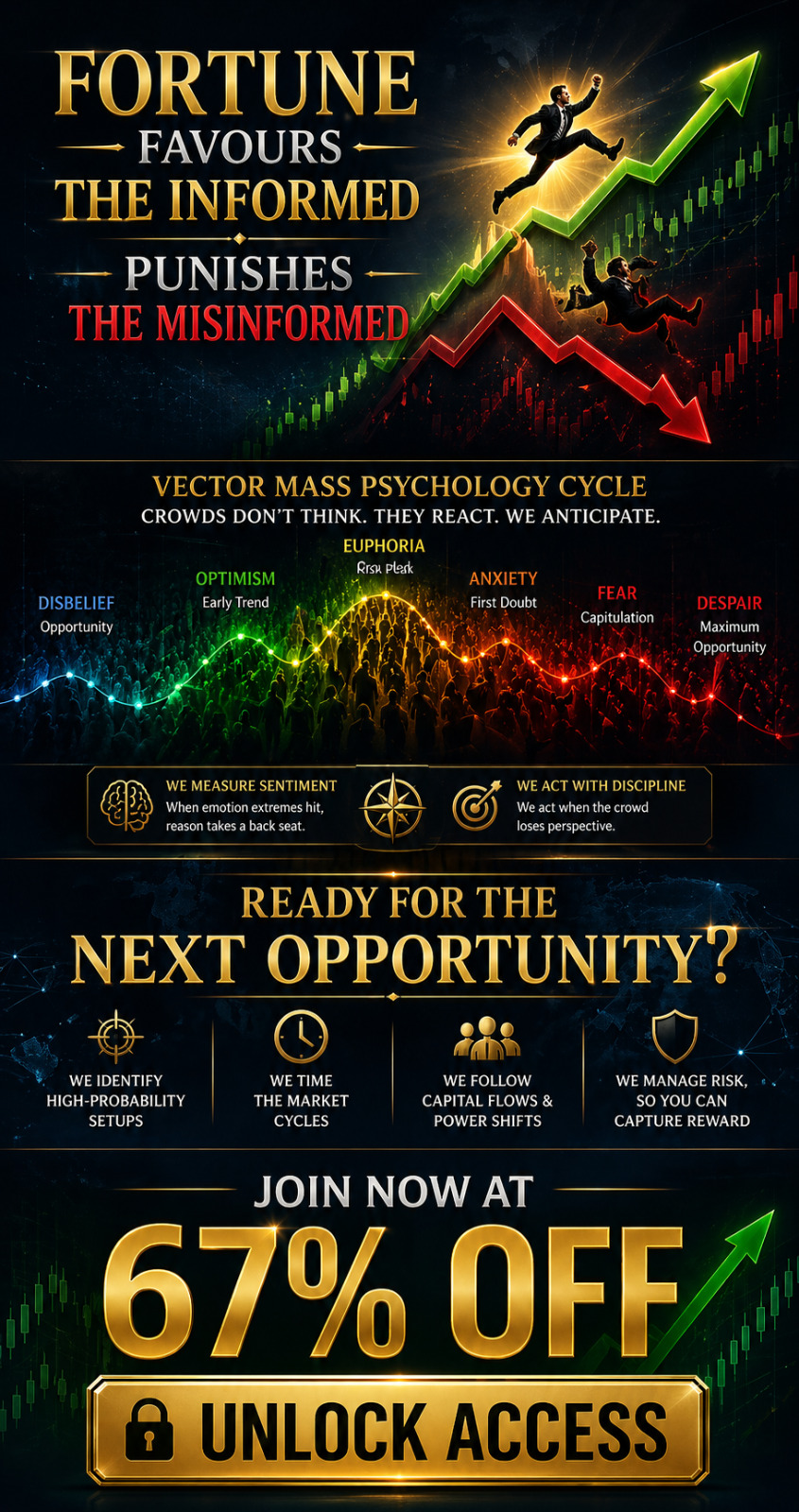
Every meme stock follows a similar psychological arc: discovery, evangelism, euphoria, denial, and capitulation. The crowd thinks each new ticker will be different. It never is. The names change; the game remains. You’re not fighting hedge funds—you’re fighting human nature, starting with your own.
The casino metaphor fails because casinos have rules. Meme stocks are more like psychological warfare where you’re simultaneously the general, the soldier, and the casualty. Sun Tzu would recognize the battlefield but marvel at how the armies attack themselves.
The solution isn’t to avoid the game—it’s to understand you’re not a player but a chip. The house is the collective delusion. The dealer is your greed. And the only winning move? Take profits while others preach patience. Let someone else hold the bag. Because in the meme stock coliseum, the crowd doesn’t just bet against the house—it becomes the house, then burns it down with themselves inside.
Remember: Every screenshot of gains you see had a seller. They’re not your allies; they’re your liquidity. Trade accordingly, or become someone else’s exit strategy. The crowd promises wealth but delivers education, usually at a price you can’t afford.