

Market Entry Points: Waiting for the AI Chip Rot to Smell Like Opportunity
The markets are letting out some steam. Fear is rising, albeit slightly. It is not enough. We need the markets to bleed. A clean, sharp sell-off is the only thing that resets the deck. We have raised several market entry points already. We will raise them again. But only when our indicators trigger a fresh buy signal or the market bleeds out the remaining pressure. Until then, cash is not trash. Cash is ammunition waiting for a target.
Some stocks will not correct. They will crumble. MSTR already showed that script. SMCI played the trailer. TSLA is lining up for the main feature. The story holding that stock together is not engineering. It is hype holding a sinking ship together. Robo-taxi timelines keep slipping. Car sales are sliding. The Optimus robot is a toy compared to industrial reality. Perception can delay gravity. But once the cover comes off, the drop is violent. It trades on a Messiah premium. When the Messiah bleeds, the flock panics. And panic has no valuation floor.
The Cisco Moment: Hardware is a Deflationary Trap
You can map this risk across nearly every major chip name. The sector poured mountains of money into hyperscaling and chip hoarding. They forgot about decay value. This is the Cisco moment of 2024. In 2000, during the dot-com mania, telecom companies buried millions of miles of fiber optic cable beneath the oceans and across continents. They believed bandwidth demand would double every three months forever. It didn’t. The capacity glut was so massive that 95% of that “dark fiber” sat unused for a decade. Cisco, the company selling the routers to light that fiber, fell 89%. It took twenty years to recover its nominal high.
Today, we are stacking GPUs in data centers like they are gold bars. They are not gold. They are depreciating assets. A GPU bought today will be obsolete in eighteen months. These chips will lose value three times faster than projected. Companies will burn cash just to stay afloat, servicing the CapEx debt on hardware that is rapidly becoming e-waste. The losses will pile up because they never accounted for the actual depreciation curve of that hardware. Hardware is a deflationary asset class masquerading as a growth stock. Wall Street is pricing it like a perpetual bond, assuming rental yields on compute will stay high forever. They won’t. As supply floods the market, the price of compute will collapse toward the marginal cost of electricity.
This is the cycle of hardware. Boom, overbuild, glut, bust. We are in the late stages of the overbuild. The glut is next. And the bust is inevitable. Smart money knows this. That is why they are selling into the strength while retail investors are still chasing the narrative of “infinite demand.”
The Blind Spot: China’s Open Source Insurgency
This does not even touch the wave coming out of China. New models there keep improving while consuming fewer resources. Many are free. Open source. Trained on domestic hardware. The Western investor ignores this because of arrogance and normalcy bias. They assume US tech supremacy is a law of physics. It is not. It is a cycle. And the cycle is turning.
Even Airbnb chose Qwen over OpenAI. Why? It wasn’t politics. It was pragmatism. It was easier to work with. It was cheaper. It delivered strength without the bloated cost structure. When a Chinese model can do 95% of what GPT-4 can do for 10% of the cost, the moat dissolves. The proprietary advantage that justified trillion-dollar valuations evaporates.
In the age of AI, everything ages fast. What feels cutting-edge today becomes yesterday’s paperweight in a blink. Cost becomes the deciding factor. Outside the United States, companies are flocking to Chinese models because they work. They are efficient. They don’t come with the heavy tax of Silicon Valley’s overhead. This commoditizes intelligence. And in a commodity market, the low-cost producer wins. The high-cost producer—the ones currently leading the US market—gets crushed.
The Psychology of the Drop: Why “Light Fear” is a Trap
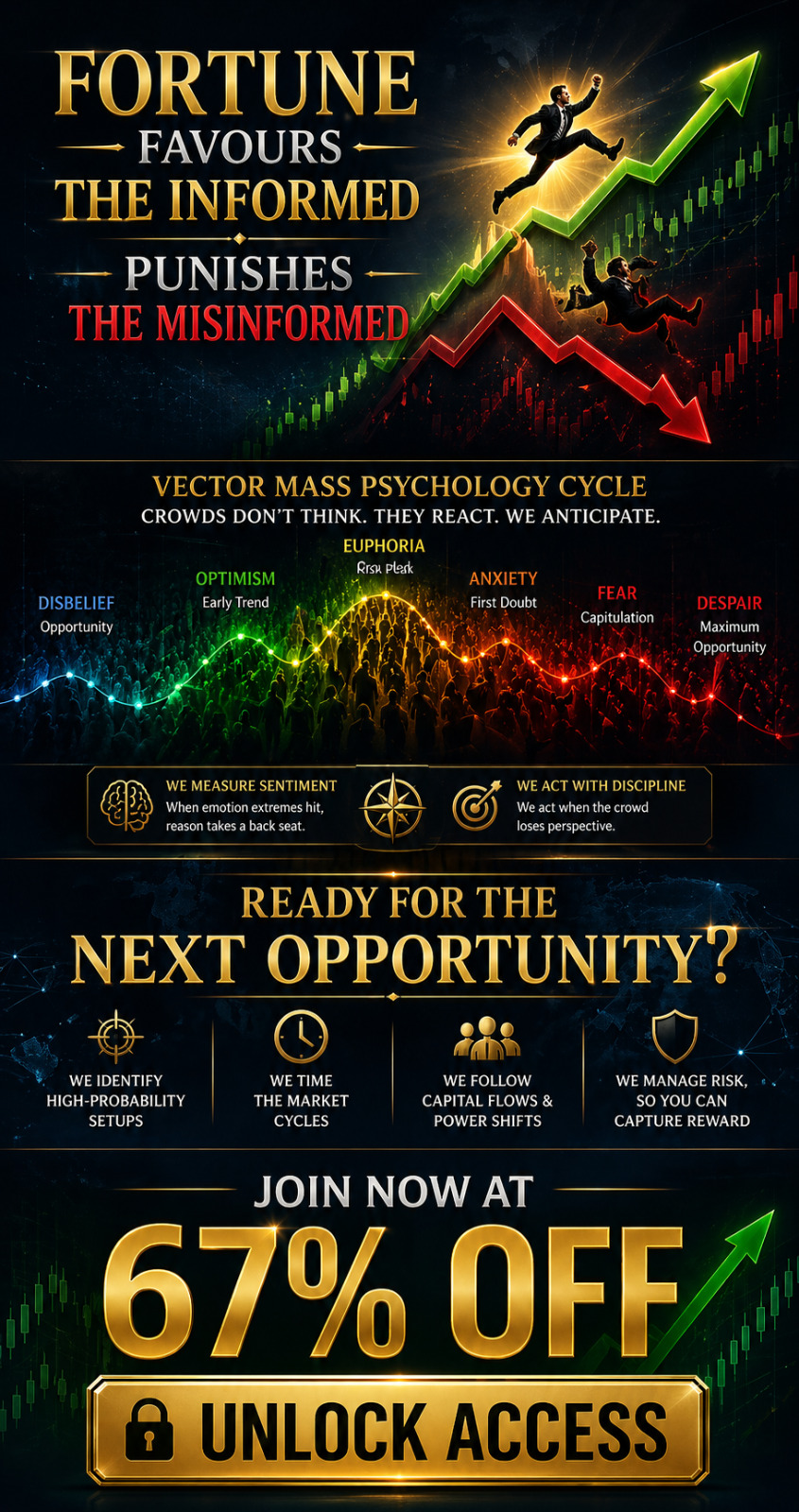
So patience matters now. Do not rush to jump in. The crowd is only lightly nervous. That is a trap. “Light fear” is just anxiety. It is the feeling of missing out on the top, not the fear of losing everything at the bottom. Real opportunity manifests when the AI sector hits full-blown panic. When the “dip buyers” are puking their positions because the dip kept dipping. That is when the best market entry points appear.
We need to see capitulation. We need to see the headlines turn from “Buy the Dip” to “Is the AI Revolution Over?” We need to see the influencers delete their accounts. That is the smell of opportunity. It smells like vomit and despair. Right now, it still smells like hope. And hope is expensive.
The market mechanism is designed to transfer wealth from the impatient to the patient. From the emotional to the disciplined. The current pullback is a test. It is testing your resolve to sit on your hands. It is tempting you to enter too early, to catch a falling knife before it hits the floor. Do not take the bait. Let the knife stick in the wood. Then, and only then, do we pick it up.
The Strategy: Stalking the Kill
We are watching key levels. We are monitoring the credit spreads. We are watching the VIX term structure. When the structure inverts, when the credit spreads blow out, when the liquidation begins in earnest—that is our signal. We are not predicting the end of the world. We are predicting the end of the delusion.
Some stocks will survive. The ones with real cash flow, real moats, and reasonable valuations. But the high-flyers, the story stocks, the “concept” companies—they will be taken out to the woodshed. TSLA is just the most visible example. It trades on dreams. Dreams don’t pay dividends. Dreams don’t service debt.
We are preparing our list. We are sharpening our knives. We have raised several market entry points already, and we will raise them again. We will adjust our targets as the data comes in. We are not dogmatic. We are predatory. We wait for the prey to be wounded, tired, and cornered. Then we strike.
Lastly, if the buy signal is strong enough, we will issue at least two option plays. These will be high-conviction, asymmetric bets designed to capitalize on the snap-back rally that always follows a liquidation event. But first, we need the event. We need the blood. Stay sharp. Stay patient. The hunt is on.