

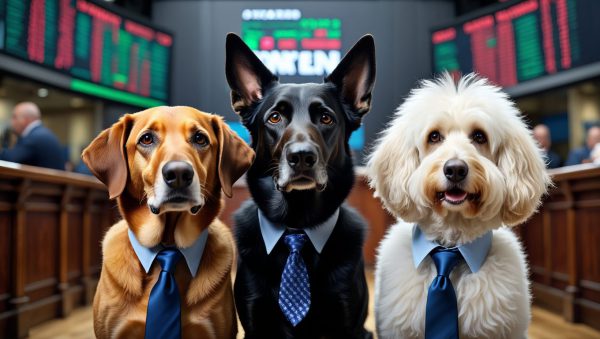
Analyzing Dogs of the DOW Performance: Trends, Returns, and Investment Insights
Updated Jan 29, 2026
Why do so many investors chase trends only to find themselves caught in market panic and drowning in regret? The stock market operates as a paradoxical arena where fear and greed consistently trump logic, where herd behaviour drives decisions that undermine long-term success. Yet amidst the chaos, certain strategies demand discipline, clarity, and a willingness to think differently from the crowd. The Dogs of the DOW strategy is precisely one such approach, challenging investors to ignore the hype and focus instead on undervalued opportunities hiding within the blue-chip universe.
The strategy itself is deceptively simple yet profoundly effective: invest in the ten highest dividend-yielding stocks from the Dow Jones Industrial Average at the start of each year. By targeting high-yield stocks, the approach assumes these companies have been unfairly punished and are positioned for recovery. But beneath this simplicity lies a deeper lesson about market psychology, the dangers of following crowds, and the power of staying disciplined when everyone else is losing their heads. Let’s explore how the Dogs of the DOW has actually performed, the psychological forces that make it work, and practical insights for investors looking to harness its potential.
Fear, Greed, and the Herd: Why Markets Misbehave
To understand why the Dogs of the DOW strategy appeals to certain investors, we need to examine the psychological forces shaping market behaviour. Fear and greed are the twin engines driving markets, and they consistently lead to irrational decisions. Investors gripped by fear of losses frequently dump undervalued stocks during downturns, pushing prices far lower than fundamentals justify. Meanwhile, greed propels them to chase high-flying momentum stocks, inflating bubbles that eventually and inevitably burst.
The Dogs of the DOW strategy seeks to exploit these emotional tendencies by focusing on stocks that have been unfairly punished by collective panic.
Herd mentality makes everything worse. When markets soar, fear of missing out drives investors to pile into popular names, abandoning any pretence of rational analysis. During crashes, watching others sell triggers panic, creating self-reinforcing cycles of losses that feed on themselves. This collective madness creates opportunities for disciplined investors willing to swim against the current. By focusing on high-yielding, undervalued stocks, the Dogs of the DOW embraces contrarian thinking, challenging investors to see through the noise and focus on genuine long-term value.
Consider the 2008 financial crisis, when fear dominated everything. Blue-chip stalwarts like General Electric and Chevron saw their prices crater, even though their underlying businesses remained fundamentally sound. Investors who followed the Dogs of the DOW during this period were handsomely rewarded as these companies recovered and delivered substantial returns. The lesson? Resisting herd mentality and maintaining discipline pays off when others are running for the exits.
The Track Record: Does This Strategy Actually Work?
The Dogs of the DOW has a long history, and its performance over the decades has sparked considerable debate. Proponents argue it offers a simple, effective method for identifying undervalued stocks with strong income potential. Critics question whether it can consistently outperform the broader market. The truth, as usual, lies somewhere in between.
Over several decades, the Dogs of the DOW has delivered competitive returns. Historical data shows the strategy has often outperformed the Dow Jones Industrial Average itself, particularly during market recovery periods. Following the dot-com bubble’s collapse, the Dogs outpaced the broader market as dividend-paying stocks regained investor favour. Similarly, during the 2020 rebound after the COVID-19 crash, the strategy benefited from the recovery of high-yield blue-chip names.
But the strategy has clear limitations. It tends to lag during strong bull markets when growth stocks dominate returns. Its reliance on dividend yield as the primary selection criterion can create overexposure to certain sectors like utilities or energy, which may not always align with broader market trends. Despite these challenges, the Dogs of the DOW remains compelling for investors seeking a disciplined, income-focused approach to building wealth through equities.
Why This Approach Works When Others Fail
The Dogs of the DOW succeeds because it capitalises on market inefficiencies and psychological biases that most investors fall prey to. By targeting high-yield stocks, the strategy zeroes in on companies the market has overlooked due to temporary setbacks or negative sentiment. These stocks typically offer attractive valuations, strong cash flow, and genuine potential for price recovery.
Reversion to the Mean: One key principle underlying the strategy is mean reversion. High-yield stocks are often those that have underperformed recently, causing their prices to decline and dividend yields to rise. Over time, these stocks tend to recover as market sentiment normalises and their fundamentals reassert themselves.
Income Generation: The strategy’s focus on dividend yield provides a steady income stream that helps offset market volatility and enhances total returns. In low-interest-rate environments, this income becomes even more valuable, attracting investors hungry for yield.
Contrarian Thinking: By investing in stocks others avoid, the strategy forces a contrarian mindset. This approach requires discipline and patience since it often means buying companies temporarily out of favour. However, it also creates opportunities to capitalise on market overreactions and mispricings that emotional investors create.
Sir John Templeton captured this perfectly: “The time of maximum pessimism is the best time to buy.” The Dogs of the DOW embodies this philosophy, encouraging investors to focus on value and income rather than chasing whatever’s hot this quarter.
How to Actually Implement the Strategy
For investors interested in adopting the Dogs of the DOW, the process is refreshingly straightforward:
1. Identify the Highest-Yielding Stocks: At the start of each year, identify the ten highest dividend-yielding stocks in the Dow Jones Industrial Average. These are the “Dogs” of the index, offering the highest income potential relative to their price.
2. Allocate Your Portfolio: Divide your investment capital equally among the ten selected stocks. This equal-weighting approach ensures diversification and reduces the impact any single stock has on your overall returns.
3. Rebalance Annually: At year’s end, repeat the process by identifying the new Dogs and rebalancing accordingly. This keeps your investments aligned with the strategy’s core principles.
4. Stay Disciplined: The strategy’s success depends entirely on maintaining discipline and resisting urges to deviate from the plan. Avoid chasing high-growth momentum stocks or reacting to short-term market noise.
Managing Risk: The Discipline That Separates Winners From Losers
While the Dogs of the DOW offers a straightforward approach, it carries real risks. Overexposure to certain sectors, reliance on historical dividend yields, and potential underperformance during bull markets all require consideration. Mitigating these risks demands disciplined risk management and thoughtful diversification.
First, ensure your portfolio includes exposure to other asset classes and strategies. The Dogs of the DOW works well as one component of a broader portfolio, but it shouldn’t represent your entire investment approach. Diversifying across equities, bonds, and alternative assets reduces risk and smooths long-term returns.
Second, maintain a genuinely long-term perspective. The strategy succeeds by capitalising on market inefficiencies over time. Resist the temptation to abandon ship during periods of underperformance—those are often precisely when the strategy’s recovery potential is greatest.
Finally, focus on fundamentals beyond just yield. While dividend yield drives the selection process, the financial health, competitive position, and growth potential of selected companies matter enormously. Conducting thorough analysis increases confidence in the strategy’s ability to deliver consistent returns over time.
The Contrarian Edge: Why Going Against the Crowd Pays
Analyzing Dogs of the DOW performance reveals not just the potential of a simple, disciplined investment strategy but also the psychological dynamics that drive market behaviour. By focusing on high-yield, undervalued stocks, the strategy challenges investors to embrace contrarian thinking, resist herd mentality, and prioritise long-term value over short-term trends.
As you navigate the complexities of investing, remember the wisdom of Marcus Aurelius: “You have power over your mind—not outside events. Realise this, and you will find strength.” By mastering your psychology, maintaining discipline, and embracing the principles underlying the Dogs of the DOW strategy, you can transform market volatility from threat into opportunity and build genuine long-term wealth.












This is what is bothering the Dems so much.They are used to gifts for votes.lobbyists are out of business, thank God.
And Hillary n Soros thought they bought the election. Now she owes a lot of favors for money paid that she can’t produce favors for,unless she goes into her own coffers.
Hope someone is watching because she will try to run, if she feels she can’t lie her way out of convictions.
She n Obama should b worried. Their time is up.