
The Audience Nobody Wanted Is Turning Out to Be the Audience Everyone Missed
June 28, 2026
One of the stranger assumptions in modern content creation is that older audiences somehow stopped existing. For years, creators were told that everything revolved around younger viewers, shorter attention spans, faster edits, louder hooks, and an endless race to chase whatever trend happened to be moving through the algorithm that week. The result was predictable. Thousands of channels began competing for the same audience using increasingly similar tactics, while a large and often overlooked demographic sat quietly on the sidelines, largely ignored not because it lacked interest, but because very few people bothered speaking to it.
The data increasingly suggests that assumption was wrong.
Consider what is happening with content built around artists such as Billy Idol, Bruce Springsteen, Blondie, ABBA, Boney M, and other cultural figures who remain deeply embedded in the memories of millions of people. Conventional wisdom says this audience is too old, too fragmented, or simply too small to matter. Yet the numbers tell a very different story. Videos are generating unusually strong retention, high stay-to-watch percentages, strong replay activity, meaningful engagement, and increasingly concentrated audiences drawn from older demographics, particularly viewers over sixty-five.
These are not theoretical observations. They are measurable outcomes.
What makes the situation even more interesting is that the audience is not simply watching old footage for the sake of nostalgia. Pure nostalgia often has limited shelf life because it relies entirely on memory. Someone sees an old clip, smiles, remembers a moment from the past, and moves on. That experience can be enjoyable, but it rarely creates lasting engagement. The stronger emotional response comes when nostalgia is combined with vitality.
That distinction is easy to miss.
Many nostalgia channels effectively ask a single question: “Remember this?” The content exists almost entirely as a historical reminder. The approach works to a degree, but it often becomes repetitive because the emotional reward remains confined to memory.
The stronger approach appears to be something closer to: “Remember this? It is still alive.”
That changes the emotional dynamic completely.
Instead of presenting the past as a museum exhibit, it presents it as something still carrying energy. Viewers are not simply watching old musicians, dancers, performers, or cultural moments. They are watching movement, enthusiasm, confidence, humour, and vitality. They are watching people enjoying themselves. The emotional message shifts from loss to continuity.
That is a very different psychological experience.
It may also explain why the content does not appear restricted solely to older viewers. Younger viewers who encounter it are not necessarily being asked to relive something they never experienced. They are being exposed to energy, confidence, movement, and human behaviour that remain universally recognizable regardless of age. The message is not that the past was better. The message is that energy does not come with an expiration date.
That theme travels far better across generations than many creators realize.
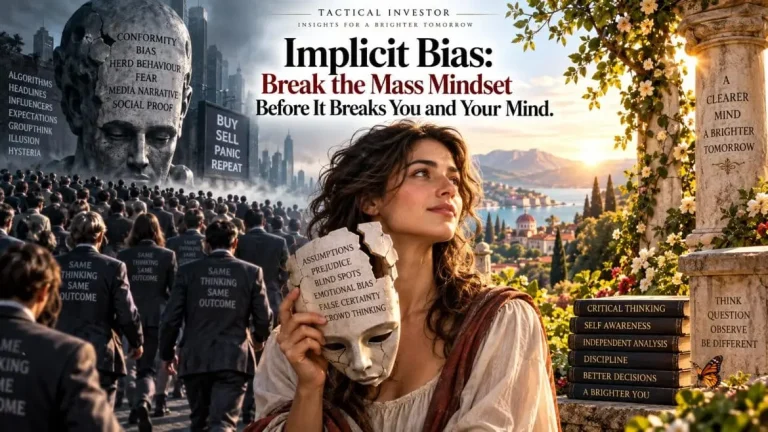
From a broader perspective, the opportunity resembles what often occurs in financial markets. Most participants crowd into the obvious trade because everyone can see it. As more people arrive, competition intensifies, costs rise, and opportunities shrink. Meanwhile, entire areas remain neglected, not because they lack value, but because collective attention has moved elsewhere.
Content ecosystems often operate the same way.
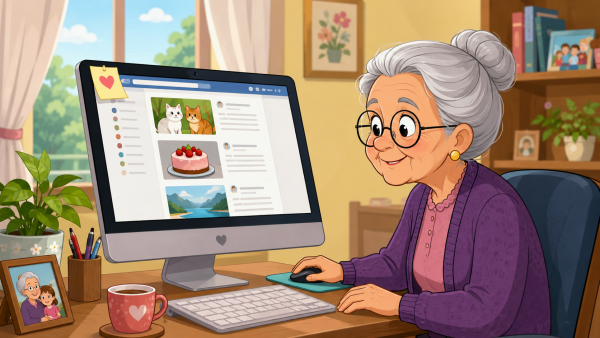
For years, creators were encouraged to pursue younger demographics almost exclusively. The result was an extraordinary concentration of effort aimed at the same audience pools. Yet millions of people over fifty, sixty, and seventy continue spending significant amounts of time online every day. Many possess more discretionary income than younger audiences. Many have more free time. Many have deeper emotional connections to music, culture, and historical experiences. Most importantly, many still want content that speaks to them directly rather than treating them as an afterthought.
When everyone fishes in the same pond, opportunities often emerge in the pond next door.
What makes the current situation especially intriguing is that the algorithm itself may still be learning where this content belongs. Audience profiles can evolve dramatically over time. Content that initially attracts viewers from one region or demographic often migrates toward an entirely different audience as engagement patterns become clearer. Early performance may reveal only part of the story. The larger story often emerges months later as the system identifies the viewers most likely to watch, engage, comment, and return.
That final point may be the most important.
View counts matter, but engagement quality matters more. Audiences willing to watch longer, replay videos, leave thoughtful comments, and return repeatedly often create stronger foundations than audiences generating large numbers of casual views. The former builds communities. The latter builds temporary spikes.
What the data increasingly suggests is not merely that older audiences exist. That was never the real question. The more important discovery is that older audiences remain deeply engaged when content speaks to them in a way that respects both their memories and their continuing sense of vitality.
The irony is that while countless creators chased the same crowded opportunities, one of the most engaged and financially attractive audiences on the platform was sitting in plain sight. It was never invisible. It was simply overlooked.
Markets teach the same lesson repeatedly. The crowd usually runs toward whatever everyone else is chasing. The better opportunities often emerge where attention is scarce, competition is limited, and assumptions have gone unquestioned for too long.
Sometimes the biggest opportunity is not discovering something new.
It is noticing what everyone else ignored.