Paper Hands: Weak Grip, Wrecked Portfolio, No Mercy from Markets
Jul 30, 2025
Ghosts in the Machine: Livermore’s Whisper, Reddit’s Roar
In the pale light of the early morning, the market looks like a graveyard. The names chiselled into its stone are familiar: Jesse Livermore, the Boy Plunger; George Soros, the man who broke the Bank of England; and one thousand anonymous day traders, their hopes dashed in a flash of red. If you listen—really listen—you can hear their lessons echo through the algorithmic corridors and Discord servers: “The market is never wrong. Opinions often are.”
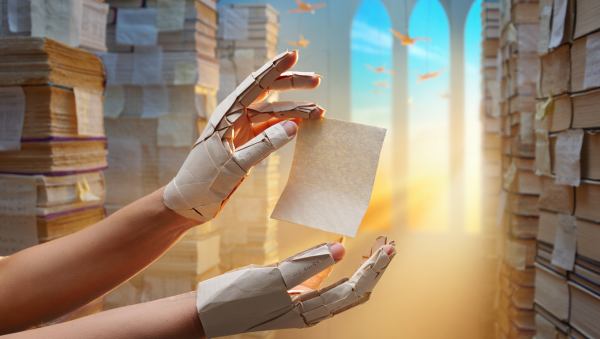
But who listens in the throes of panic? The crowd doesn’t. The crowd runs. In meme-stock forums—r/WallStreetBets, StockTwits, Telegram channels at 2 a.m.—the phrase “paper hands” is a scarlet letter. Paper hands are the ones who fold, who sell at the sight of a 10% dip, who become the kindling for a market inferno. The ghosts know: the market feasts on their fear.
In 2021, as Bitcoin soared to $64,000, every digital forum pulsed with euphoria. Laser-eyed avatars, rocket emojis, “HODL” scrawled like a war cry. But then—the great unwind—liquidations, margin calls, the price halving in months. “Paper hands get slaughtered,” the old-timers sneered. And, as always, they were right.
Anatomy of a Panic: The Human Animal Meets the Market
Markets are not machines; they are mirrors—reflecting our dreams, our terror, and, most of all, our flaws. Dalio wrote that “pain plus reflection equals progress,” but most traders, caught in the crossfire of dopamine and cortisol, skip the reflection and double down on pain.
Panic is primal. It’s the amygdala screaming “Run!” as the portfolio bleeds. Charles Mackay chronicled the madness of crowds in tulips, but the meme-stock frenzy of 2021—GameStop, AMC, Dogecoin—was no different. Paper hands, yanked by the leash of loss aversion, sold into every dip. Their sales, in aggregate, became the avalanche.
“Humans move markets. Humans are moved by fear.” – a pinned post in a 2021 Bitcoin forum, written by a user whose portfolio evaporated in three days.
FTX’s implosion in 2022 was a masterclass in collective panic. As rumours of insolvency spread, withdrawals surged. The platform’s collapse wasn’t just a function of balance sheets—it was the speed and scale of paper hands, all rushing for the exits at once, turning a slow bleed into a fatal wound.
Nonlinear Lessons: From Tulip Mania to Dogecoin
Step back. Zoom out. The tape is not linear; it’s a looping, spiralling fever dream. The 17th-century Dutch tulip bubble saw fortunes won and lost in bulbs. In 2008, mortgage-backed securities became the vessel for mass delusion. In 2021, Dogecoin—a joke by design—hit $0.73, then cratered as “paper paws” (yes, that’s what they called them) dumped in droves.
Every cycle, the same choreography: euphoria, doubt, the first sign of weakness. The “diamond hands” meme is a joke with teeth—those who hold tight, sometimes against all odds, sometimes foolishly, but always with conviction and a plan.
The difference? Conviction plus preparation—never blind faith. Soros didn’t just hold; he hedged, he plotted, he waited for the moment when everyone else would panic. “It’s not whether you’re right or wrong; it’s how much money you make when you’re right and how much you lose when you’re wrong.” Every cycle, the market rewards those who can stomach the storm and punishes those who mistake volatility for apocalypse.
The Feedback Loop: Paper Hands as Fuel for the Fire
Here’s the paradox: paper hands don’t just lose—their panicked selling creates the very crashes they fear. Herd behavior, as described by Gustave Le Bon, turns individual jitters into stampedes. A single sell order becomes a cascade, algorithms join the feeding frenzy, and liquidity vanishes like mist.
“Markets can remain irrational longer than you can remain solvent.” – John Maynard Keynes, quoted endlessly in forums, usually right after a margin call.
Modern market structure is a tinderbox. High-frequency traders, bots, and stop-loss triggers mean that the first flinch can spark a rapid and devastating chain reaction. The GameStop short squeeze wasn’t just a battle of retail against hedge funds—it was a lesson in reflexivity. As the price soared, short sellers became forced buyers, and paper hands became the exit liquidity. The ones who held—who withstood the waves of volatility—sometimes walked away as legends. Most did not.
Emotional Self-Sabotage: The Inner Margin Call
To survive, you must first master yourself. Livermore, who made and lost fortunes, wrote: “The stock market is never obvious. It is designed to fool most of the people, most of the time.” The greatest danger is not the market—it’s the trader’s mind.
Self-sabotage is everywhere: Selling a blue-chip at the bottom, panic-buying at the top, revenge-trading after a loss. The cycle is ancient, but the tools are modern—mobile apps, instant fills, infinite scrolling feeds of fear and greed—the dopamine hit of a green candle, the gut-wrench of a red one.
Survivors build systems: risk management, position sizing, and stop-losses are set with cold logic, not trembling hands. They learn to sit on their hands, to trust their thesis, to accept that drawdowns are the price of admission. “Trading is not about being right. It’s about surviving long enough to be right.” The market is a crucible, and only those who hold tight—or die trying—emerge with scars and capital intact.
Conviction Is a Scar, Not a Meme
There is no easy answer, no shortcut past the fire. History is a graveyard of “sure things.” But the ones who survived, who built dynasties and legends, were those who could hold when panic was thickest, who understood that pain is not a signal to flee, but a test to endure.
The forums will meme “diamond hands” until the next crash or bull run. But conviction isn’t a meme; it’s a scar. It is built in drawdowns, tested in blood, and proven in the quiet after the storm.
So when the market howls and the ghosts whisper run, remember: paper hands get slaughtered. The survivors are those who hold tight—with a plan, a scarred memory, and the grit to stare down the abyss.