

Information Is Everywhere. Patterns Are Rare.
June 20, 2026
Most channels compete in crowded territory.
They explain the same topics, cite the same statistics, discuss the same headlines, and often arrive at the same conclusions. The result is an endless stream of content that differs in presentation but rarely in substance.
That creates a difficult problem.
Information is becoming increasingly abundant while attention remains limited.
As information expands, its value often declines.
Patterns become more valuable.
This distinction explains why some channels struggle to maintain relevance while others continue attracting loyal audiences long after individual topics fade.
A channel built entirely around information lives and dies by the next headline. It constantly requires new events, new stories, and new developments to maintain attention. Once the topic disappears, much of the audience disappears with it.
A channel built around recurring patterns operates differently.
The subject matter may change dramatically, but the underlying lesson remains recognizable.
A falcon waiting patiently for the right moment.
A race driver exercising precision under pressure.
A boxer enduring setbacks before finding an opening.
A parent displaying persistence through adversity.
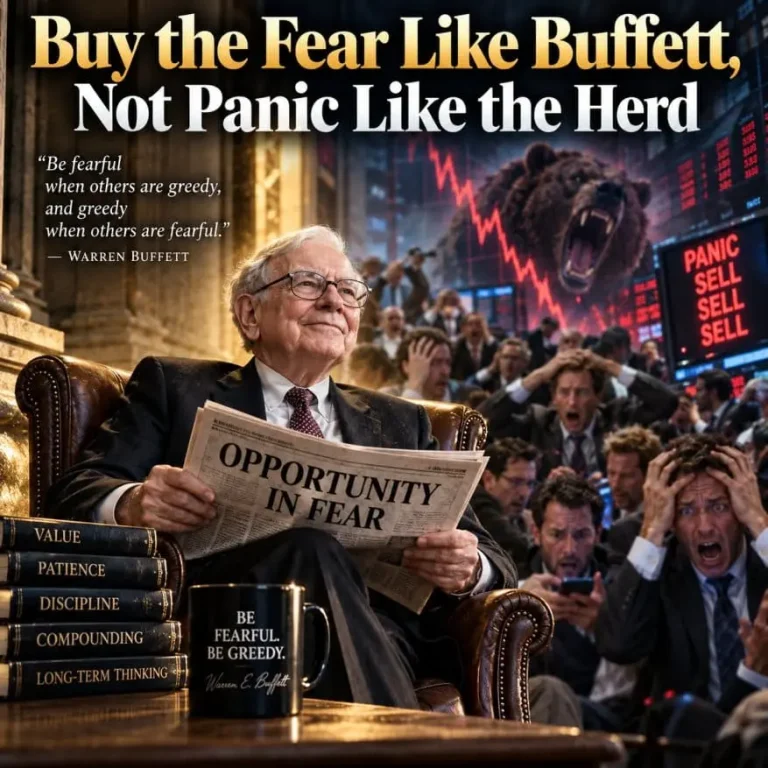
A market participant remaining disciplined while others panic.
On the surface these appear unrelated.
Beneath the surface they often express the same principles.
Patience.
Timing.
Observation.
Discipline.
Emotional control.
Persistence.
The setting changes. The lesson remains remarkably consistent.
This is why certain forms of storytelling become difficult to replicate.
The audience is not returning solely for information. They are returning because they recognize a worldview.
That worldview acts as connective tissue linking otherwise unrelated topics.
Most people underestimate how powerful this can become.
The crowd generally assumes that audiences follow subjects. In many cases they actually follow interpretations.
They follow a particular way of seeing the world.
History provides countless examples. Some writers discuss politics. Others discuss economics. Others focus on psychology, business, sports, or culture. Yet readers often remain loyal because the underlying lens remains consistent regardless of the topic.
The same dynamic appears in content creation.
The strongest brands rarely depend on a single category.
Instead they develop a recognizable framework that can be applied across many categories.
This approach carries another advantage.
Topics age.
Patterns age much more slowly.
A discussion about a specific stock may lose relevance within months. A discussion about fear, greed, discipline, crowd behavior, or persistence may remain useful years later because the underlying forces continue operating.
This is one reason behavioral content often possesses greater durability than predictive content.
Prediction attempts to forecast the future.
Behavior attempts to explain recurring human tendencies.
One becomes outdated.
The other continues repeating.
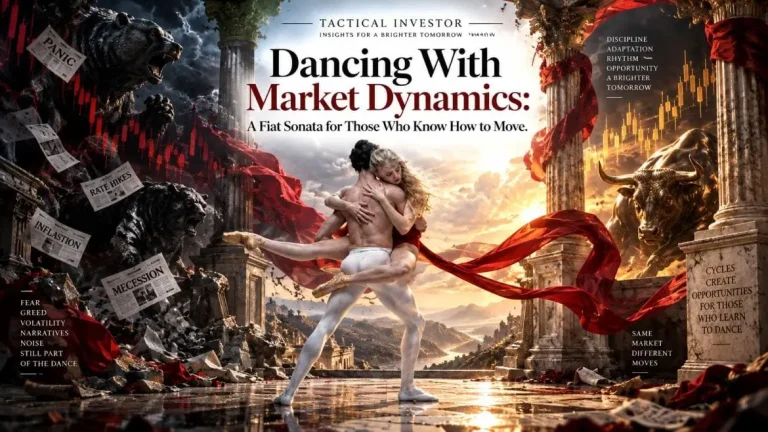
Markets provide a useful example. Most investors spend enormous amounts of time studying indicators, economic forecasts, earnings reports, and expert opinions. Far fewer spend time studying the emotional patterns that repeatedly drive crowd behavior.
Yet fear, greed, euphoria, panic, impatience, and capitulation appear in every major cycle.
The costumes change.
The actors change.
The emotions remain.
The same principle applies far beyond investing.
Human beings frequently become distracted by the vehicle carrying the lesson. They focus on the truck instead of the discipline. The falcon instead of the patience. The boxer instead of the resilience.
They remember the story but miss the pattern.
The individuals who consistently recognize patterns gain an advantage because patterns travel well. They appear in markets, business, sports, relationships, leadership, and countless other areas of life.
Information answers questions.
Patterns explain why the same questions keep returning.
And over long periods, the second skill tends to be far more valuable than the first.