
At Its Root What Causes Inflation: A Deep Dive into Core Economic Factors
Feb 20, 2026
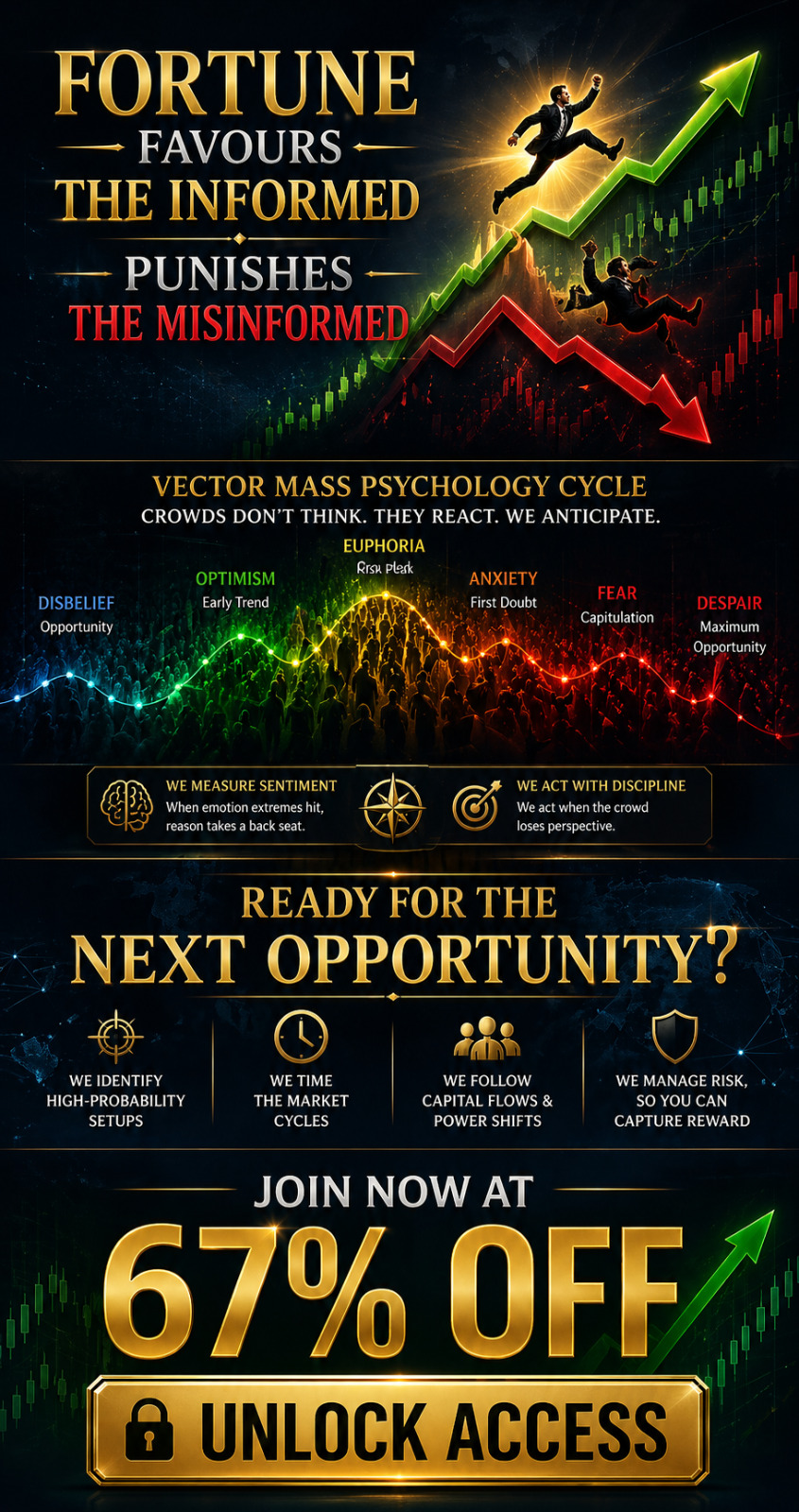
Beware the herd mentality—it feeds on fear and leaves devastation in its wake. Markets do not run on logic. They run on emotion, where panic can ignite instant infernos and erase fortunes in hours. When fear grips investors, rationality collapses, limbic instincts take over, and psychological contagion spreads unchecked. Entire economies buckle under these cascades. To truly understand at its root what causes inflation, you must first understand this panic—its origins, its destructive force, and the opportunities hiding within the chaos.
The Psychology of Panic: When Markets Abandon Reason
Inflation is not just numbers creeping upward; it is fear made visible. At its root, inflation grows from collective anxiety—from a society losing confidence in currency, stability, and economic order. When uncertainty rises, the body reacts: cortisol spikes, adrenaline surges. Fight‑or‑flight chemistry hijacks rational decision-making. Investors feel danger, real or imagined, and cognitive biases take over. Herd instinct kicks in. Panic doesn’t spread—it detonates.
2008 made this brutally clear. Lehman didn’t simply collapse; global psychology fractured. The dot‑com bust followed the same script: exuberance inverted into panic with ruthless speed. March 2020 repeated the pattern—COVID‑19 crushed confidence, the Dow plunged thousands of points in days, and circuit breakers failed to calm fear. These events reveal a painful truth: herd behavior doesn’t just reflect fear—it creates it.
Yet panic also creates mispricing—markets overshoot, logic disintegrates, and mistakes multiply. Contrarians understand this intimately. They know that at its root what causes inflation isn’t limited to policy missteps or supply imbalance—it is fear magnified by millions of irrational choices. To master inflation, you must first master the psychology behind it.
Contrarian Masters: Exploiting Panic for Profit
Legendary investors have always treated panic as raw material, not a threat. Jesse Livermore, the “Great Bear,” capitalized on the panic of 1907 by shorting markets others believed were invincible. Warren Buffett deployed billions into collapsing blue‑chips during 2008—not because conditions were safe, but because they were terrifying. “Be fearful when others are greedy, and greedy when others are fearful” is not sentiment—it is calculus.
Charlie Munger brought another dimension: inversion. By mapping what could go wrong, he avoided catastrophic traps others walked into willingly. These investors thrive because they position themselves against emotional crowds, not inside them.
Today’s contrarians are quieter but just as sharp: distressed‑debt specialists buying when bankruptcy headlines peak, crypto traders accumulating during collapse, anonymous operators entering markets when public sentiment hits despair. Their common thread? Emotional immunity. They see panic as signal, not threat. They understand that inflation and volatility are not anomalies—they are catalysts.
Fear as Fuel: Strategic Options and Volatility Plays
When panic rises, volatility becomes a weapon. The VIX—fear’s altimeter—spikes violently during uncertainty. That spike inflates option premiums, creating opportunities for those who understand fear’s mechanics. While the crowd buys overpriced protection, contrarians sell that fear back to them.
March 2020 is the clearest example. The VIX screamed above 80. Investors scrambled for puts at any cost. Contrarians sold those puts, collecting enormous premiums, and used that capital to buy long-dated LEAPS—cheap, leveraged exposure to the eventual rebound. Short-term terror financed long-term upside.
This isn’t gambling. It’s calculation. Selling puts into panic is like selling insurance during a hurricane warning—dangerous if unmanaged, immensely profitable if controlled. Contrarians pair these volatility plays with macro understanding: inflation mechanics, supply shocks, policy misfires. They know at its root what causes inflation and build trades to exploit it.
Disciplined Boldness: The Fine Line Between Confidence and Carnage
But exploiting fear requires discipline—iron discipline. Many self-proclaimed contrarians confuse aggression with intelligence. They bet against trends blindly, mistake stubbornness for courage, and hold losing positions long after evidence breaks against them.
Real contrarians operate very differently. They analyze interest rates, liquidity cycles, global trade ruptures, and policy errors with forensic precision. They hedge downside risk. They maintain cash buffers. They avoid overleverage. Their “boldness” is less adrenaline, more architecture.
They know that at its root what causes inflation is not one factor but an ecosystem: psychology, supply constraints, monetary excess, and structural fragility. Their positions align with this ecosystem—not with impulse.
Escape the Herd: Visionary Empowerment and Intellectual Autonomy
Understanding inflation at its root is not just economic—it’s liberation. Inflation weakens buying power, yes. But its deeper damage is psychological. It traps people in perpetual reaction—fear of rising prices, fear of losing savings, fear of market collapse. Herd mentality locks millions into cycles of emotional decision-making.
The contrarian breaks that cycle. They think independently. They act deliberately. They refuse to surrender to mass psychology. Understanding inflation’s psychological core becomes a form of autonomy—freedom from confusion, panic, and manufactured fear.
When you understand what truly drives inflation, you stop reacting to headlines and start anticipating patterns. You stop fearing volatility and start harnessing it. Wealth becomes more than capital—it becomes clarity. Control. Independence.
Inflation is not just an economic force—it is a psychological battlefield. Knowing at its root what causes inflation transforms investors from victims into strategists. It arms them with the insight to ride chaos rather than be consumed by it.
Escape the herd. Master fear. Unlock your power.